Chitosan

Chitosan

Overview

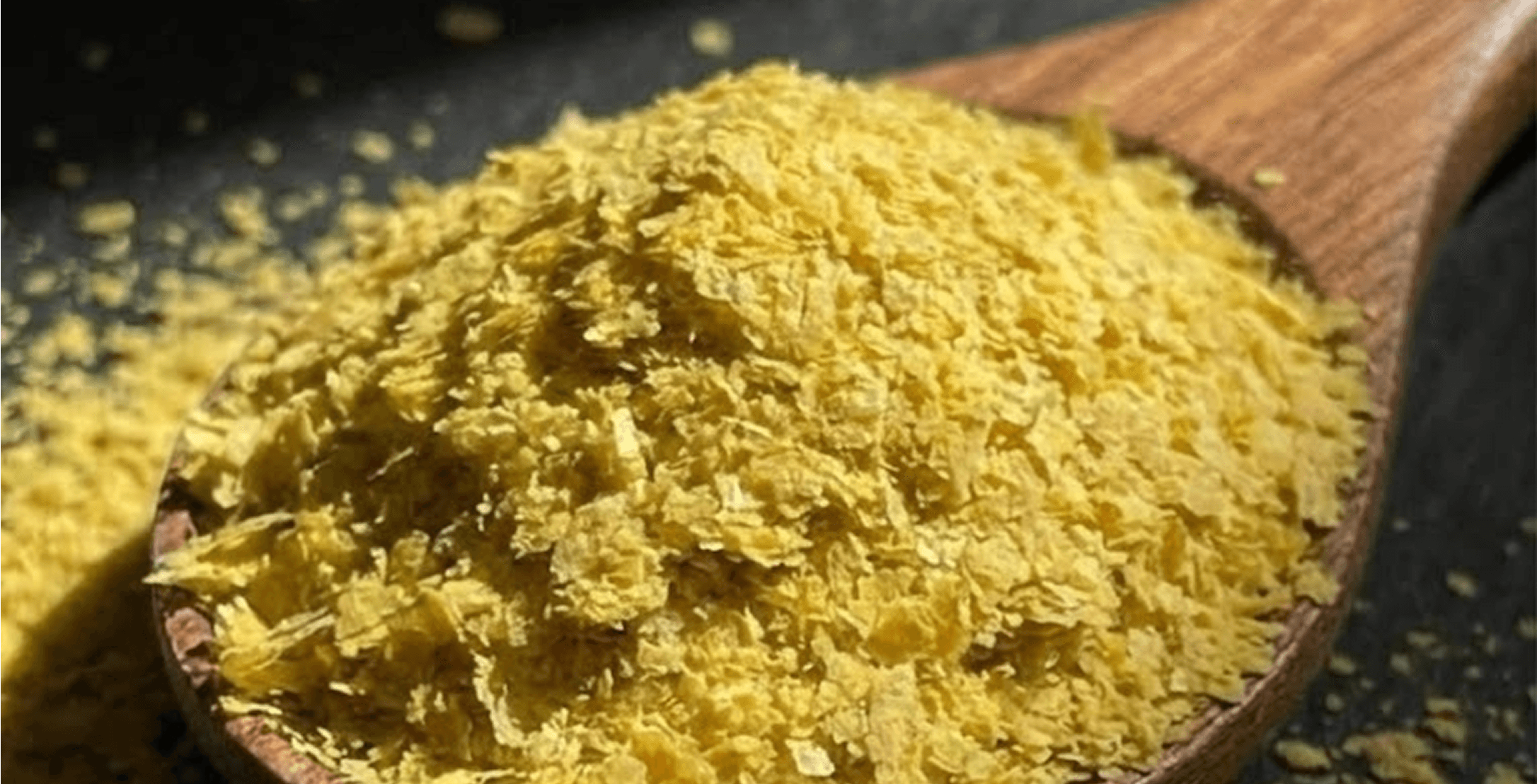
Chitosan is derived from chitin. Chitosan is made by treating (deacetylating) the chitin shells of shrimp and other crustaceans with an alkaline substance. It is a biodegradable regular polymer with numerous benefits like non-harmfulness, bio similarity, and biodegradability. The amino group in chitosan leads to significant protonation in neutral solution, increasing with increased acidity (decreased pH) and the DA-value. This makes chitosan water-soluble and a bioadhesive which readily binds to negatively charged surfaces.


It can be applied in numerous fields, especially in medicine. As a delivery carrier, it has great potential and couldn’t compare up to different polymers. Due to their stability and biocompatibility the nanoparticles produced from chitosan derivatives can be used to deliver drugs. For research and development of new nano vaccines and nano drugs, chitosan based nanoparticles have great potential in the future.


Native
Chitosan

Water Soluble Chitosan

Chitosan
Oligosaccharides

Shrimp Chitosan - Natural biopolymer variants we offer

Chitosan in Agriculture

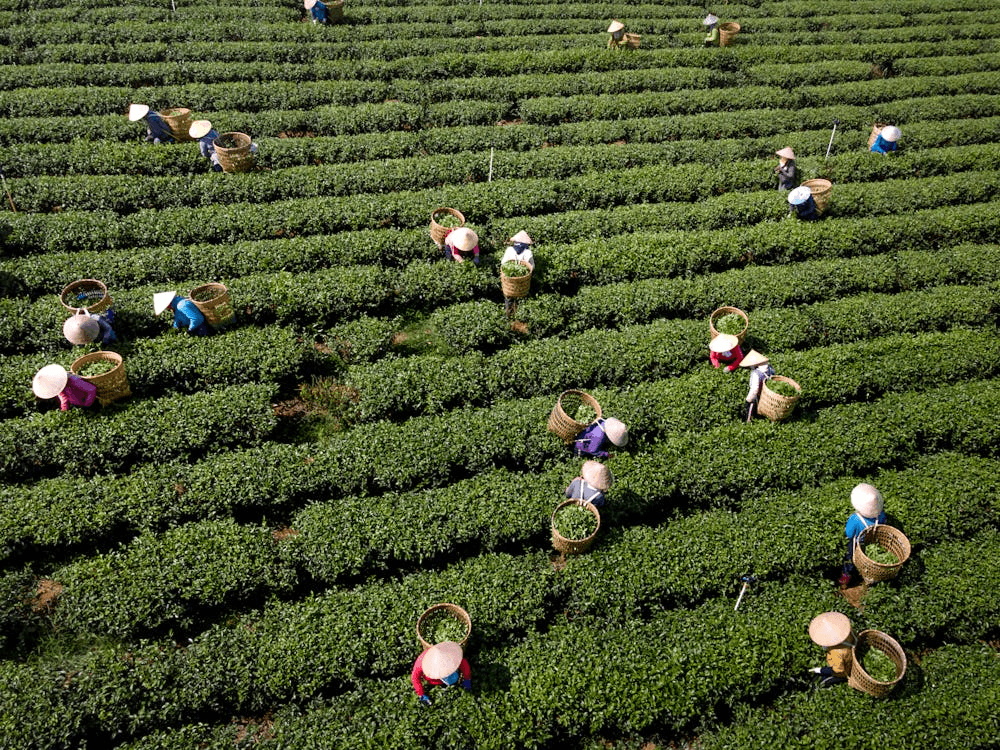
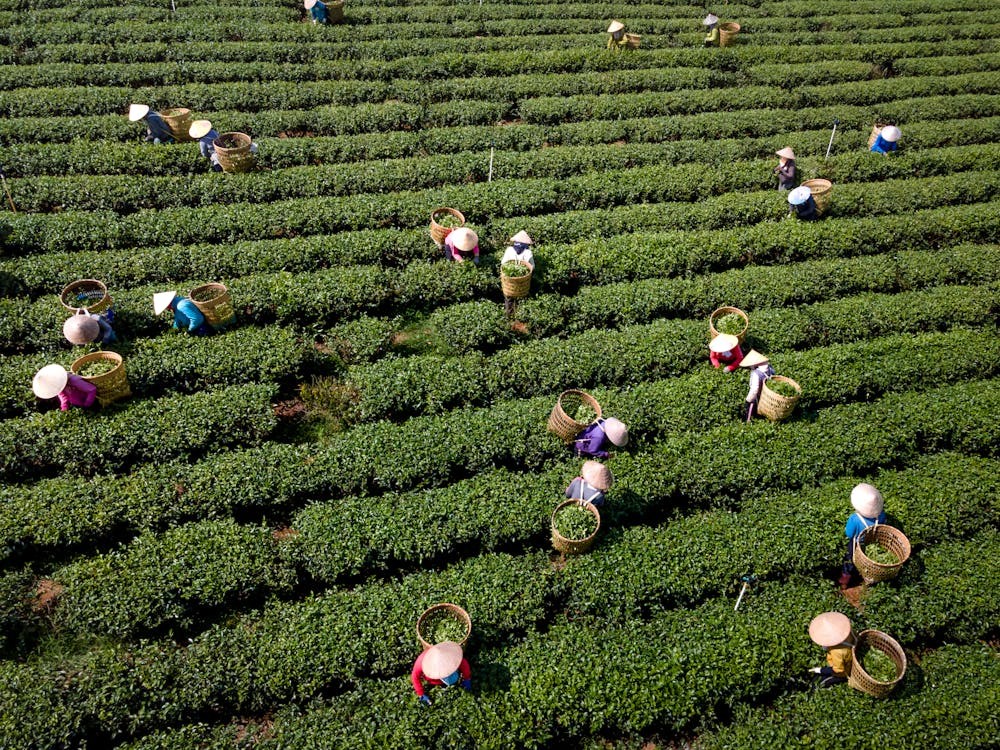
Chitosan is successfully used in plant protection due to its antibacterial and antifungal properties, as elicitor, growth promoter, enhancer of secondary metabolites production, and in soil correction. In agriculture, chitosan helps plants to fight off fungal infections. In some plants, Chitosan induces defense reactions thereby increasing their responses against pathogens attack. Chitosan application is strongly effective on the growth of roots, shoots and yield of some crops. Chitosan solutions are used from the onset from seed treatment to nematicide, fungicide, plants growth regulator to salinity relief to post harvest crop treatment. Due to its high concentration in nitrogen Chitosan acts as a potent fertilizer.

Chitosan in Food and Beverages

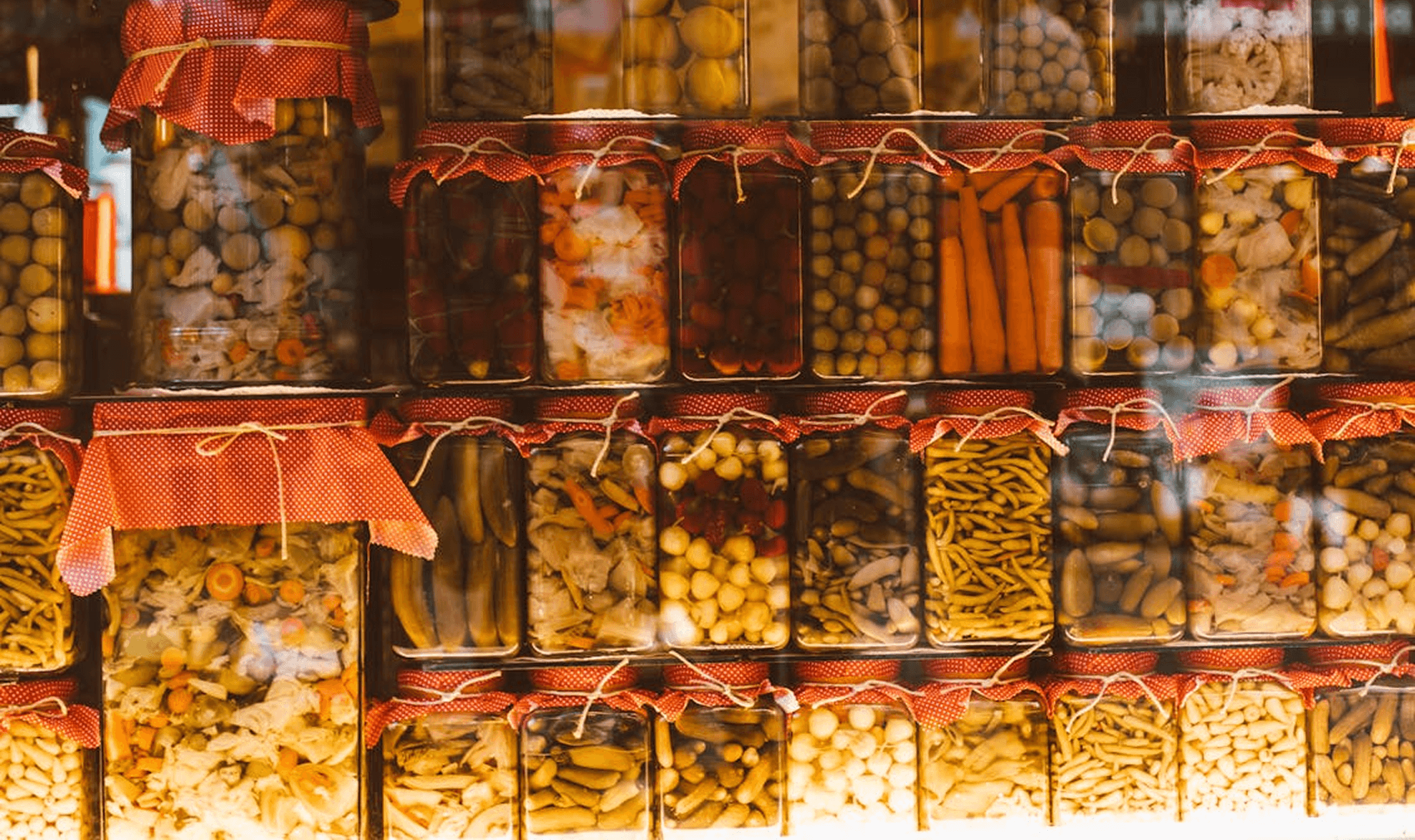
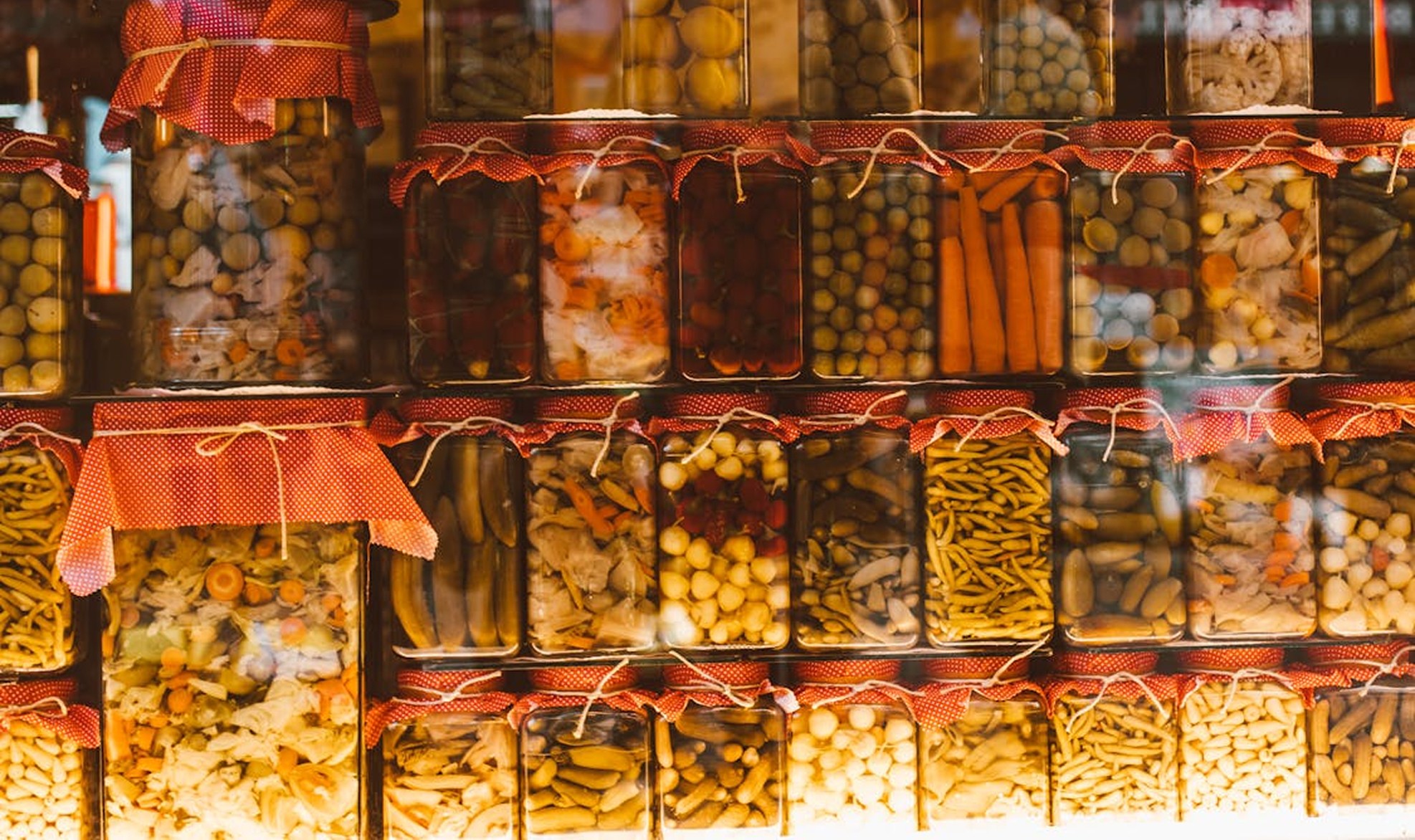
Chitosan serves as a fining agent in winemaking and also prevents spoilage. In wine production, chitosan-based matrices are used for clarification, preservation, de-acidification, and stabilization. Chitosan is used in beverages either as natural preservatives or active packaging. Chitosan is used in packaging of different beverage types, such as alcoholic, dairy-based drinks, and non-alcoholic drinks, including fruit juices, nectars, concentrated fruit juices, tea, coffee, and tisanes. Chitosan into protein has been confirmed to significantly improve the mechanical strength of nanofilm, making the use of these films food industrially practicable. Chitosan is also used in filtration and clarification of fruit juices and beverages. Chitosan is a bioactive compound encapsulation. It protects against oxidation, to improve the bioavailability of probiotics, making it undesirable taste. Due to its ability Chitosan is used as natural flavor extender. Chitin derived Chitosan can also promote the protection of vegetables and fruits by acting as a defensive enzyme enhancer. Surface application of Chitin derived Chitosan on smooth fruits and vegetables, concentrates Chitosan and allows effective microbicidal activity. The chitin soil amendment increases the absolute and relative abundance of several fungal and bacterial groups involved in plant growth promotion and in biological control.

Chitosan in Medical and Pharmaceutical
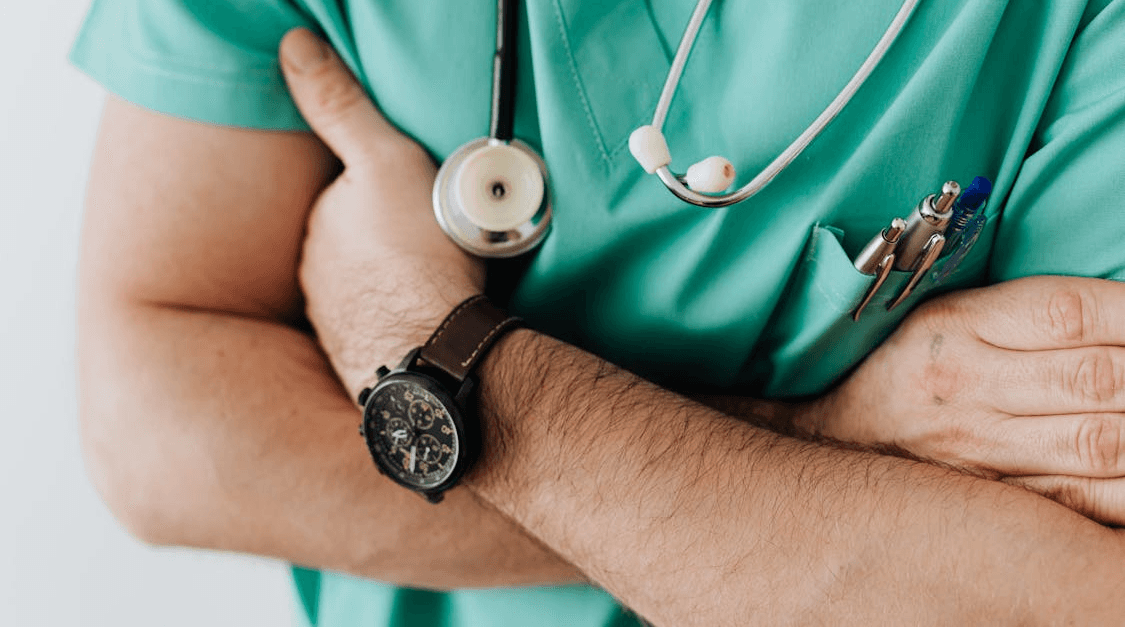
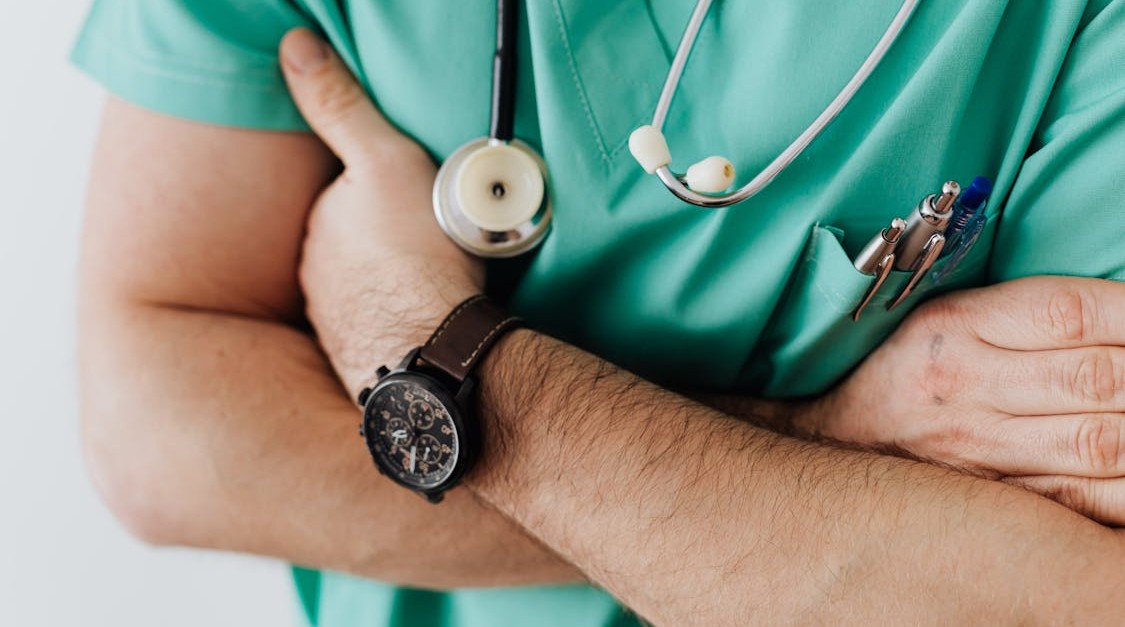
Chitosan is used in chronic wound & burns treatment through wound dressing. Chitosan, as a cationic normal polymer, has been generally utilized as an effective dressing in injury. Chitosan has the capacity for exceptional treatment due to its hemostatic, antimicrobial & analgesic effect all while allowing oxygen permeability to injured tissue & moisturization. Chitosan is used as a vehicle to convey biopharmaceuticals, antimicrobials and growth factors into tissue. Chitosan can be utilized to forestall or treat wound and consume diseases in view of its characteristic antimicrobial properties, yet in addition by excellence of its capacity to convey extraneous antimicrobial specialists to wounds and consumes. Chitosan can assist to clear bacteria from the wound during the inflammation stage. Chitosan can arrest bleeding in neurosurgery, obesity and cholesterol reduction and to treat external ulcers and renal disorder. Chitosan is used for contact lenses and periodontal applications and dialysis membranes.

Chitosan in Personal Care products

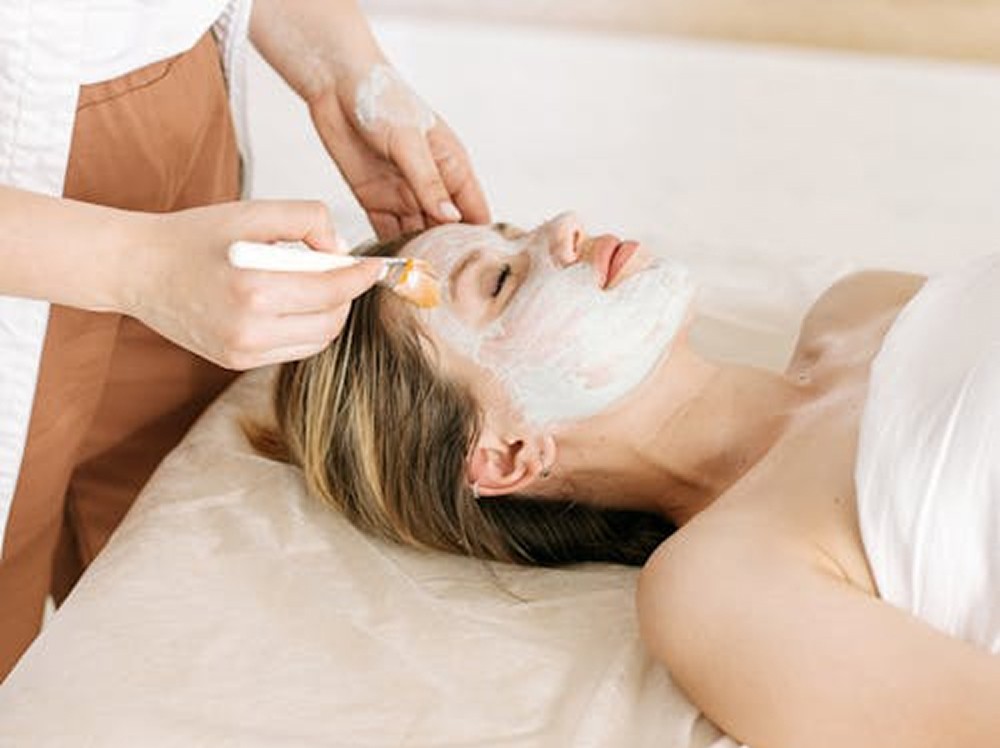
Due to its moisturising, microbial, wound healing & analgesic properties chitosan is used in cosmetics. Chitosan has been more commonly used in deodorants & women care products due to its biocompatibility, moisturizing yet odor masking properties coupled with antibiosis against harmful bacteria. Chitosan is used in hair masks, shampoo & conditioner as well as anti dandruff products. Chitosan’s conspicuous qualities of moisture retention & antioxidants has made it popular in skin care products specifically in the anti aging and rejuvenating category. Chitosan is incorporated in the formulas of toothpaste, mouthwash due to its antimicrobial, wound healing, anti-Inflammatory, as well as analgesic properties. Beyond regular dental care, chitosan’s hemostatic & regenerative potential has extended its applications into dental surgery and periodontitis treatment.

Chitosan in Textiles industry

Chitosan is an environment friendly agent and it is used to achieve the antimicrobial properties of textiles. In textile Industry chitosan is primarily used due to its relative similarity to cellulose making it easy to blend with fibres such as wool, cotton silk, rayon & polyester to increase strength during manufacturing. Chitosan is gaining popularity as a textile fibre which can be specifically used for medical purposes, despite the problems faced in its process-ability and inferior mechanical properties. It is a unique material with certain special properties, preferred for medical usage. Chitosan’s water-resistant molecules can be added to make textiles water-repellent. Coating fabrics with chitosan can give them antibacterial properties.

Chitosan in Waste Water Treatment

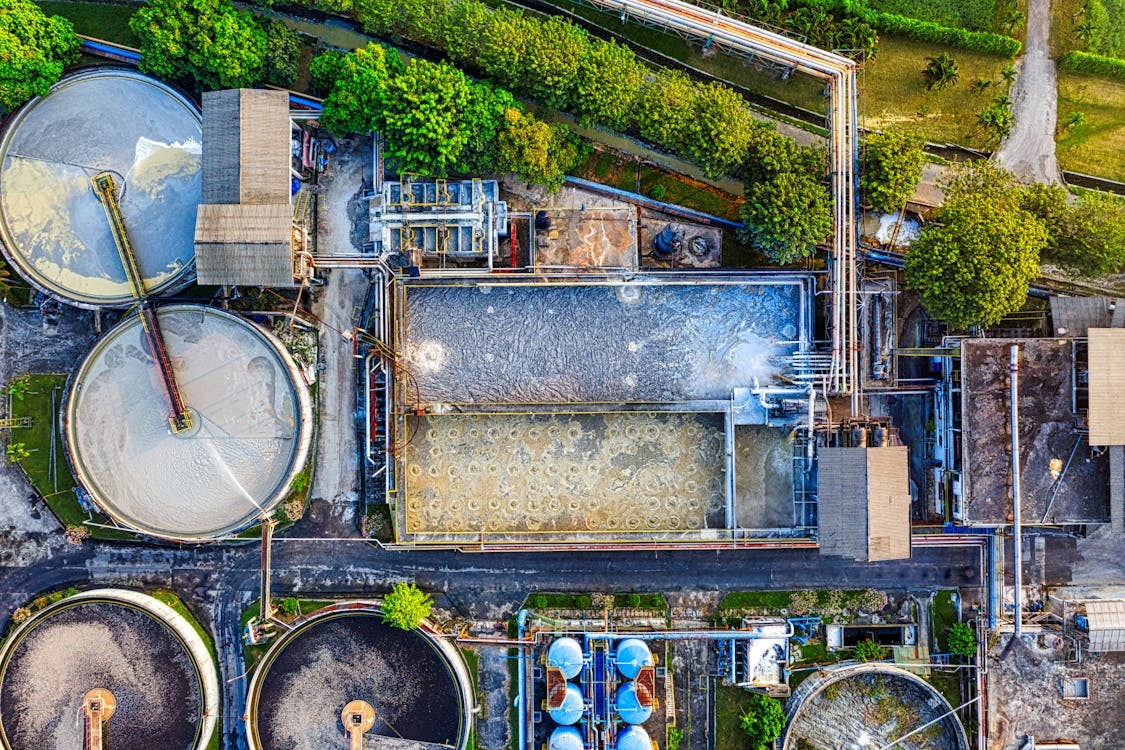
Chitosan is a good flocculant for tap water treatment because of its properties such as faster deposition rate and higher removal efficiency for organic matter, suspended solids, and metal ions. Chitosan in water & waste water treatment has been used in metropolitan wastewater, drinking water, industrial input & output, aquaculture water treatment. Chitosan helps remove microorganisms suspended solids, such as algae, fungi, or bacteria under aerobic or anaerobic conditions during removal of organic matter in wastewater. Chitosan is used in the treatment of input and output water sources in the dairy, paper, food, beverages, paints & drinking water industrial sectors as well as aquaculture farms. Chitosan-based materials are used for the remediation of water and wastewater from heavy metals, dyes, microorganisms, salts, and other pollutants.

Chitosan in Animal Feed

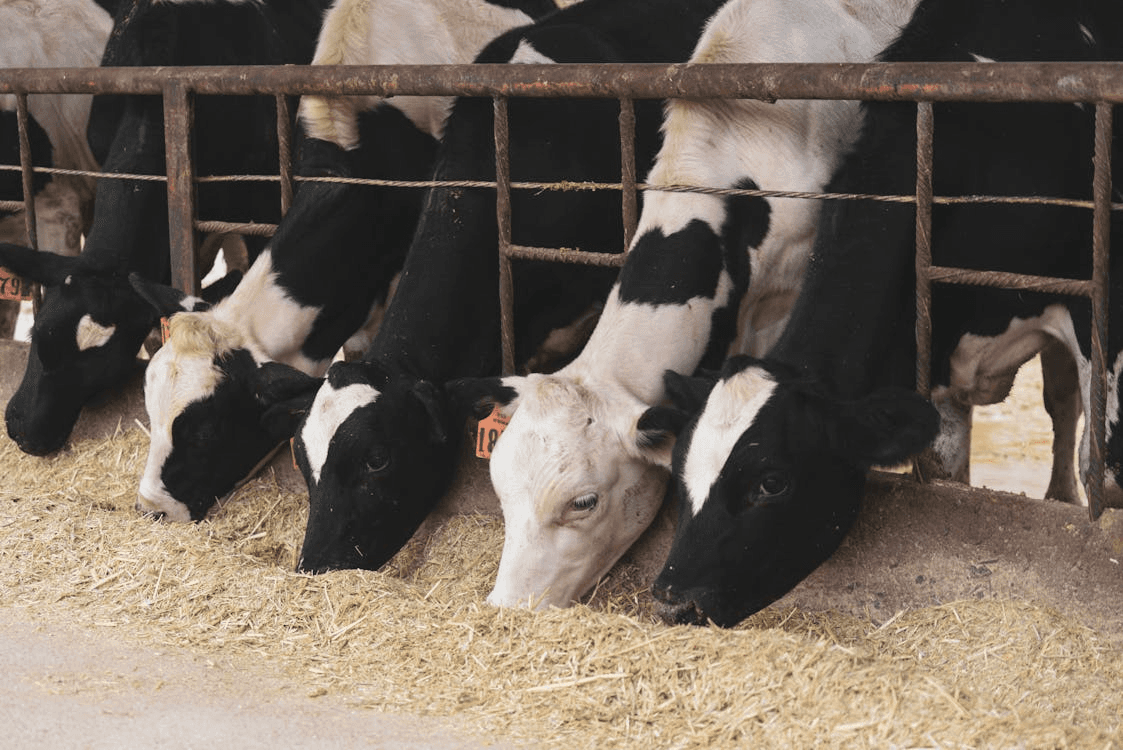
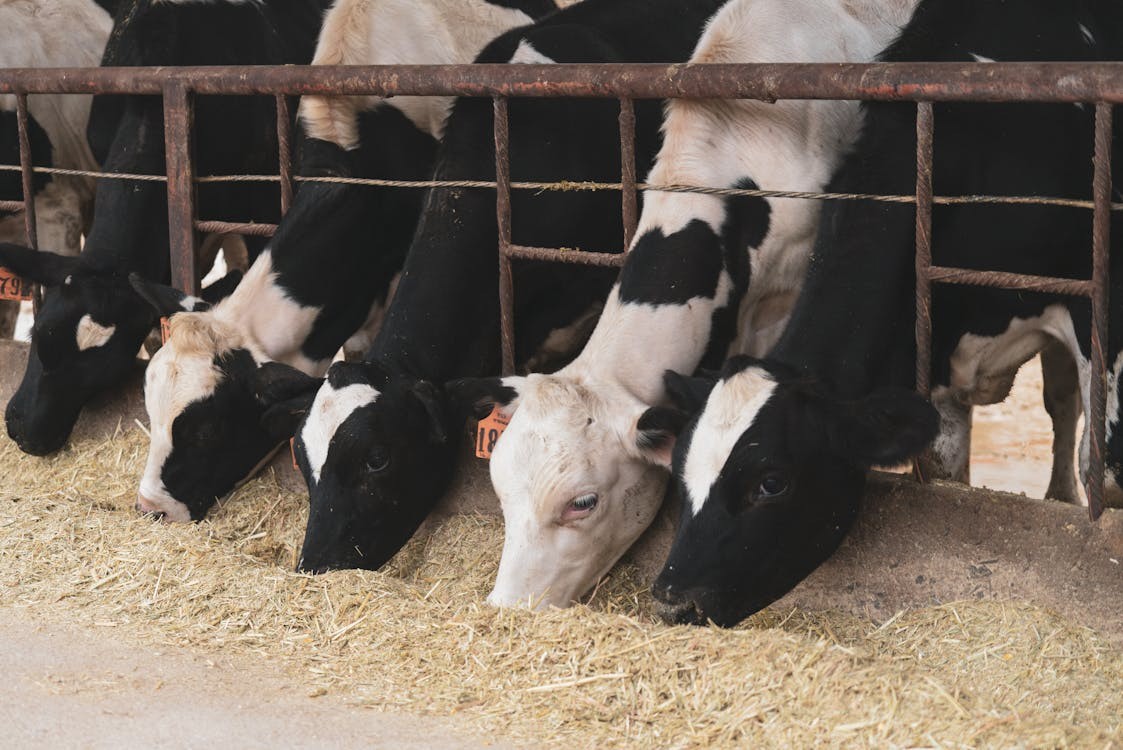
Chitosan contains reactive functional groups, i.e amino acids and hydroxyl groups. Chitosan is used in animal feed additives for farm animals. Chitosan improves animal performance and nutrient utilization efficiency, increasing long chain fatty acid concentration, showing a very promising feed additive in dairy cow diets without fat supplementation. It improves growth performance in animals like body weight gain or feed conversion ratio of young animals like broiler chickens and weaned pigs, etc.Being non-toxic and free from residues, chitosan has the characteristics of improving the animal immunity.

Chitosan in Food and Beverages

Chitosan serves as a fining agent in winemaking and also prevents spoilage. In wine production, chitosan-based matrices are used for clarification, preservation, de-acidification, and stabilization. Chitosan is used in beverages either as natural preservatives or active packaging.z Chitosan is used in packaging of different beverage types, such as alcoholic, dairy-based drinks, and non-alcoholic drinks, including fruit juices, nectars, concentrated fruit juices, tea, coffee, and tisanes. Chitosan into protein has been confirmed to significantly improve the mechanical strength of nanofilm, making the use of these films food industrially practicable. Chitosan is also used in filtration and clarification of fruit juices and beverages. Chitosan is a bioactive compound encapsulation. It protects against oxidation, to improve the bioavailability of probiotics, making it undesirable taste. Due to its ability Chitosan is used as natural flavor extender. Chitin derived Chitosan can also promote the protection of vegetables and fruits by acting as a defensive enzyme enhancer. Surface application of Chitin derived Chitosan on smooth fruits and vegetables, concentrates Chitosan and allows effective microbicidal activity. The chitin soil amendment increases the absolute and relative abundance of several fungal and bacterial groups involved in plant growth promotion and in biological control.

Chitosan in Medical and Pharmaceutical

Chitosan is used in chronic wound & burns treatment through wound dressing. Chitosan, as a cationic normal polymer, has been generally utilized as an effective dressing in injury. Chitosan has the capacity for exceptional treatment due to its hemostatic, antimicrobial & analgesic effect all while allowing oxygen permeability to injured tissue & moisturization. Chitosan is used as a vehicle to convey biopharmaceuticals, antimicrobials and growth factors into tissue. Chitosan can be utilized to forestall or treat wound and consume diseases in view of its characteristic antimicrobial properties, yet in addition by excellence of its capacity to convey extraneous antimicrobial specialists to wounds and consumes. Chitosan can assist to clear bacteria from the wound during the inflammation stage. Chitosan can arrest bleeding in neurosurgery, obesity and cholesterol reduction and to treat external ulcers and renal disorder. Chitosan is used for contact lenses and periodontal applications and dialysis membranes.

Chitosan in Personal Care products

Due to its moisturising, microbial, wound healing & analgesic properties chitosan is used in cosmetics. Chitosan has been more commonly used in deodorants & women care products due to its biocompatibility, moisturizing yet odor masking properties coupled with antibiosis against harmful bacteria. Chitosan is used in hair masks, shampoo & conditioner as well as anti dandruff products. Chitosan’s conspicuous qualities of moisture retention & antioxidants has made it popular in skin care products specifically in the anti aging and rejuvenating category. Chitosan is incorporated in the formulas of toothpaste, mouthwash due to its antimicrobial, wound healing, anti-Inflammatory, as well as analgesic properties. Beyond regular dental care, chitosan’s hemostatic & regenerative potential has extended its applications into dental surgery and periodontitis treatment.

Chitosan in Textiles industry

Chitosan is an environment friendly agent and it is used to achieve the antimicrobial properties of textiles. In textile Industry chitosan is primarily used due to its relative similarity to cellulose making it easy to blend with fibres such as wool, cotton silk, rayon & polyester to increase strength during manufacturing. Chitosan is gaining popularity as a textile fibre which can be specifically used for medical purposes, despite the problems faced in its process-ability and inferior mechanical properties. It is a unique material with certain special properties, preferred for medical usage. Chitosan’s water-resistant molecules can be added to make textiles water-repellent. Coating fabrics with chitosan can give them antibacterial properties.

Chitosan in Waste Water Treatment

Chitosan is a good flocculant for tap water treatment because of its properties such as faster deposition rate and higher removal efficiency for organic matter, suspended solids, and metal ions. Chitosan in water & waste water treatment has been used in metropolitan wastewater, drinking water, industrial input & output, aquaculture water treatment. Chitosan helps remove microorganisms suspended solids, such as algae, fungi, or bacteria under aerobic or anaerobic conditions during removal of organic matter in wastewater. Chitosan is used in the treatment of input and output water sources in the dairy, paper, food, beverages, paints & drinking water industrial sectors as well as aquaculture farms. Chitosan-based materials are used for the remediation of water and wastewater from heavy metals, dyes, microorganisms, salts, and other pollutants.

Chitosan in Animal Feed

Chitosan contains reactive functional groups, i.e amino acids and hydroxyl groups. Chitosan is used in animal feed additives for farm animals. Chitosan improves animal performance and nutrient utilization efficiency, increasing long chain fatty acid concentration, showing a very promising feed additive in dairy cow diets without fat supplementation. It improves growth performance in animals like body weight gain or feed conversion ratio of young animals like broiler chickens and weaned pigs, etc.Being non-toxic and free from residues, chitosan has the characteristics of improving the animal immunity.

Chitosan in Agriculture

Chitosan is successfully used in plant protection due to its antibacterial and antifungal properties, as elicitor, growth promoter, enhancer of secondary metabolites production, and in soil correction. The chitin soil amendment increases the absolute and relative abundance of several fungal and bacterial groups involved in plant growth promotion and in biological control. The chitin soil amendment increases the absolute and relative abundance of several fungal and bacterial groups involved in plant growth promotion and in biological control.

Frequently Asked Questions

Frequently Asked Questions

01

What is chitosan?

Fish scales are obtained from different fish species during fish processing and are rich in protein, calcium and other salts. They are washed, cleaned and dried to ensure longer shelf life. Dried fish scales are used to extract collagen, gelation, calcium phosphate, hydroxypatite, and other biomaterials. They are not a finished product but a valuable input raw material.

01

What is chitosan?

Fish scales are obtained from different fish species during fish processing and are rich in protein, calcium and other salts. They are washed, cleaned and dried to ensure longer shelf life. Dried fish scales are used to extract collagen, gelation, calcium phosphate, hydroxypatite, and other biomaterials. They are not a finished product but a valuable input raw material.

02

How is chitosan obtained from shrimp heads and shells?

02

How is chitosan obtained from shrimp heads and shells?

03

What is the difference between chitin and chitosan?

03

What is the difference between chitin and chitosan?

04

How safe is chitosan?

04

How safe is chitosan?

05

How does chitosan help in water treatment?

05

How does chitosan help in water treatment?

06

Is chitosan environmentally friendly?

06

Is chitosan environmentally friendly?

07

Can chitosan be used in organic farming?

07

Can chitosan be used in organic farming?

08

How does chitosan interact with other dietary supplements?

08

How does chitosan interact with other dietary supplements?

Overview

Chitosan is derived from chitin. Chitosan is made by treating (deacetylating) the chitin shells of shrimp and other crustaceans with an alkaline substance. It is a biodegradable regular polymer with numerous benefits like non-harmfulness, bio similarity, and biodegradability. The amino group in chitosan leads to significant protonation in neutral solution, increasing with increased acidity (decreased pH) and the DA-value. This makes chitosan water-soluble and a bioadhesive which readily binds to negatively charged surfaces.


It can be applied in numerous fields, especially in medicine. As a delivery carrier, it has great potential and couldn’t compare up to different polymers. Due to their stability and biocompatibility the nanoparticles produced from chitosan derivatives can be used to deliver drugs. For research and development of new nano vaccines and nano drugs, chitosan based nanoparticles have great potential in the future.


Native
Chitosan

Water Soluble Chitosan

Chitosan
Oligosaccharides

Shrimp Chitosan - Natural biopolymer variants we offer

Whatever we produce,
We must fully use

Phone No:

022 4924 0706
+91 9730007882

Location:

923, IJMIMA complex, MDP Road, Malad West, Mumbai – 400064, Maharashtra, India.


71/17, Topsia Road, (South) Near Millat Nagar Masjid, Kolkata: 700046, West Bengal, India.

©Nizonamarineproducts

Whatever we produce,
We must fully use

Phone No:

022 4924 0706
+91 9730007882

Location:

923, IJMIMA complex, MDP Road, Malad West, Mumbai – 400064, Maharashtra, India.


71/17, Topsia Road, (South) Near Millat Nagar Masjid, Kolkata: 700046, West Bengal, India.

©Nizonamarineproducts

Whatever we produce,
We must fully use

Phone No:

022 4924 0706
+91 9730007882

Location:

923, IJMIMA complex, MDP Road, Malad West, Mumbai – 400064, Maharashtra, India.


71/17, Topsia Road, (South) Near Millat Nagar Masjid, Kolkata: 700046, West Bengal, India.

©Nizonamarineproducts