Quick Project Facts
Attribute
Details
📍 Location
Eldoret, Kenya
♻️ Waste Used
Cow dung
🔋 Biogas Capacity
60 m³/day
⚡ Energy Output
~6,200 kWh/month
🏁 Completion
Aug 21, 2025
💰 ROI
Estimated 13 months

Implementation Process
Before installation, Green Pastures relied on diesel generators to run milking machines and chillers—costly, unreliable, and carbon-intensive. With rising fuel costs and local climate pressures, the farm needed a renewable solution to support its dairy operations.

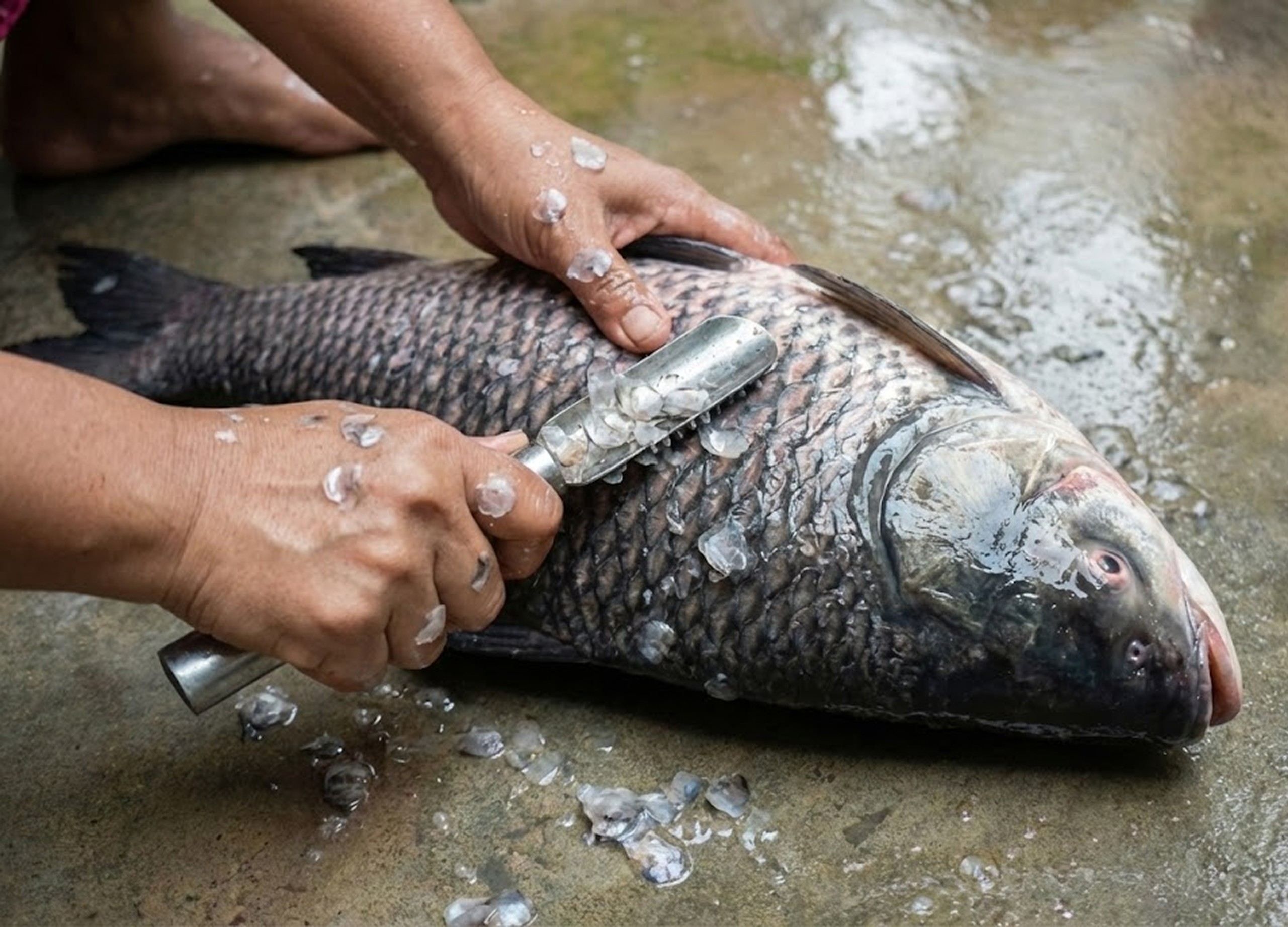
Effluent waste water treatment using fish scales
Performed waste and energy assessment; estimated 4–5 tons of daily cow dung.

Effluent waste water treatment using fish scales
Custom fixed-dome digester with gas storage, slurry outlet, and underground piping.

Effluent waste water treatment using fish scales
Took 6 weeks with local masonry labor and prefabricated dome components.

Effluent waste water treatment using fish scales
Biogas piped directly to kitchen, milking parlor, and backup generator.

Effluent waste water treatment using fish scales
Staff trained on maintenance, gas flow control, and slurry reuse.
Eldoret, Kenya
Completed
Aug 21, 2025
From Fish Scales to Functional Nutrition
We designed and installed a 60m³ anaerobic digester that now powers the entire milking and cold storage system.

Photo Gallery
Measurable Impact
Impact Area
Results
🌱 CO₂ Reduced
~28 tons/year
🔌 Diesel Replaced
~500 liters/month
💸 Cost Savings
KES 130,000/month (~$950)
🧪 Byproduct
~1.5 tons/week organic fertilizer
👷 Jobs Created
6 temporary, 1 permanent technician
Challenges & Innovations
The high elevation of Eldoret meant cooler nights, which can slow digestion. We added thermal insulation and used slurry pre-warming to maintain optimal temperatures and microbial activity.
Conclusion
Biogas is more than a renewable energy solution—it’s a practical, cost-effective tool that empowers farmers to do more with what they already have.
From reducing fuel expenses to improving soil health and creating new revenue streams, the impact is clear. As more small farms adopt this technology, the agricultural landscape in Africa is being reshaped—cleaner, more resilient, and future-ready.