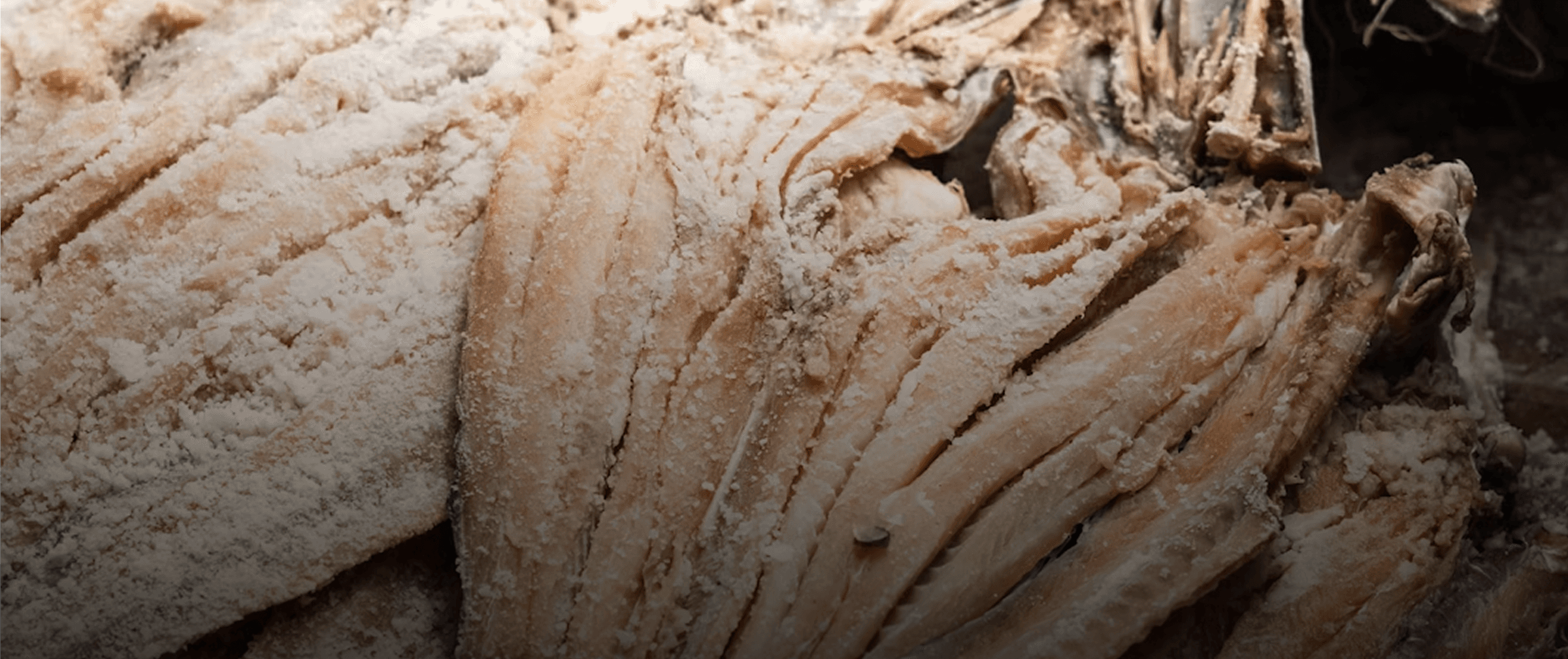
Premium Dried & Frozen Fish Skin
(Tilapia & Barramundi)
Overview
Dried and frozen fish skin are two distinct raw materials, not different grades of the same product and the right one depends on what you're processing it into.
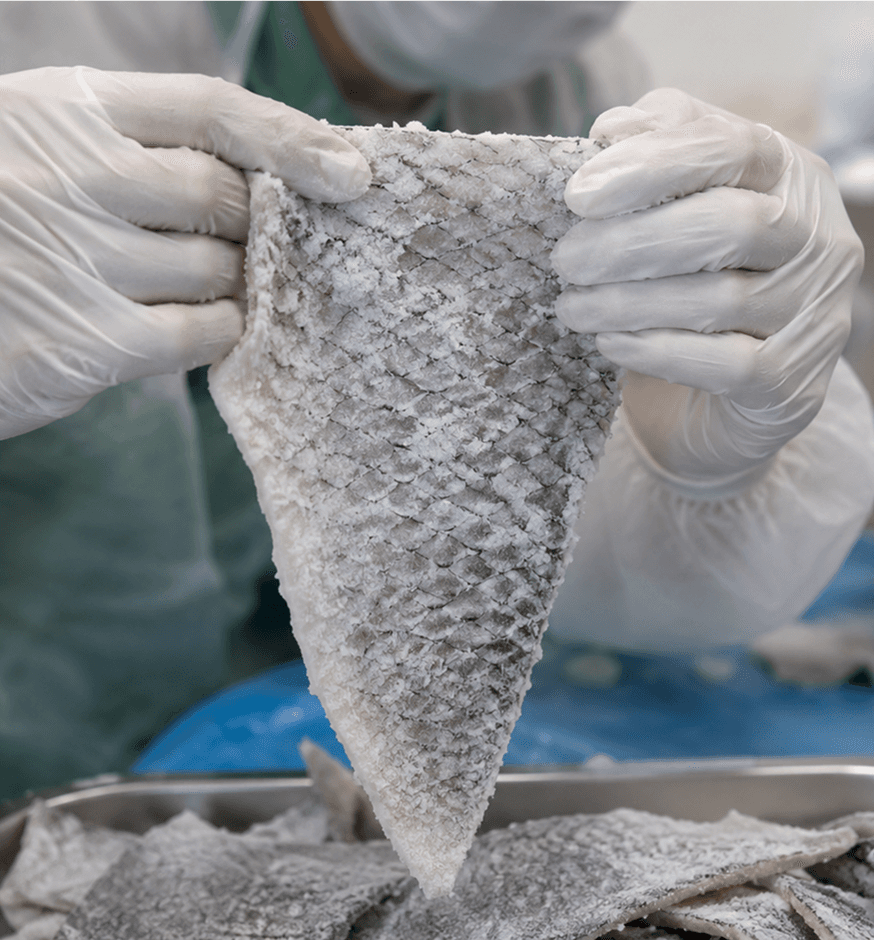
Frozen tilapia, barramundi skin keeps its natural moisture and protein structure intact which is why it's the form most collagen and gelatin manufacturers ask for: drying can promote protein aggregation that reduces how well skin swells and extracts during gelatin production, so processors chasing extraction quality tend to specify fresh frozen material. Exotic leather tanneries have a similar preference, tanning traditionally runs on green, frozen or wet salted hides because fully dried skin turns stiff and is hard to rehydrate without damaging the fiber structure a clean tannage depends on.
Dried fish skin trades some of that freshness for shelf stability: it holds at room temperature, ships lighter with no cold chain and stores for months rather than days. That's why pet food and treat manufacturers and snack/chip processors whose own processing (baking, frying, extruding) already reshapes the material prefer it: their priority is microbial stability and consistent moisture, not preserving native collagen structure.

Collagen & Gelatin Manufacturers

Pet Food & Pet Treat Manufacturers

Snack & Food
Processors
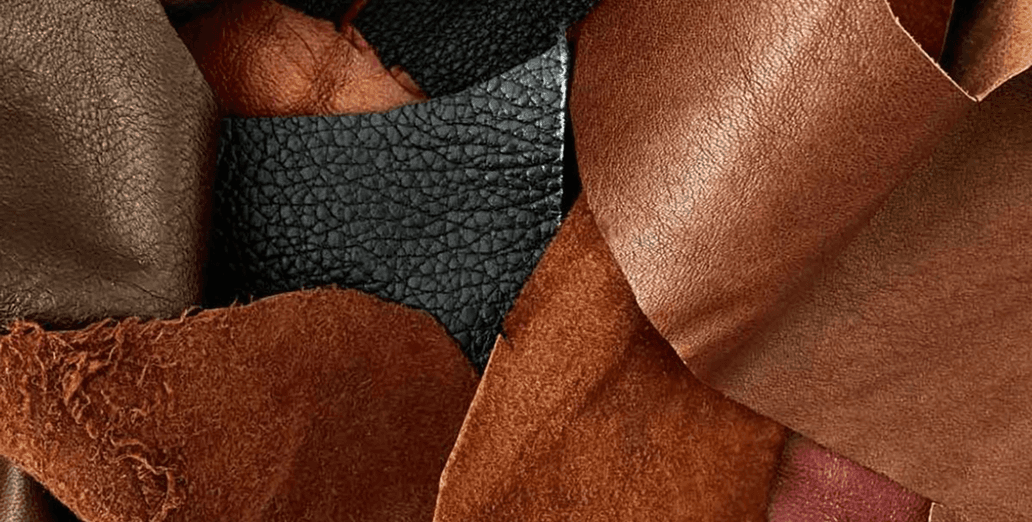
Exotic Leather
Tanneries

Animal Feed &
Aquafeed Processors
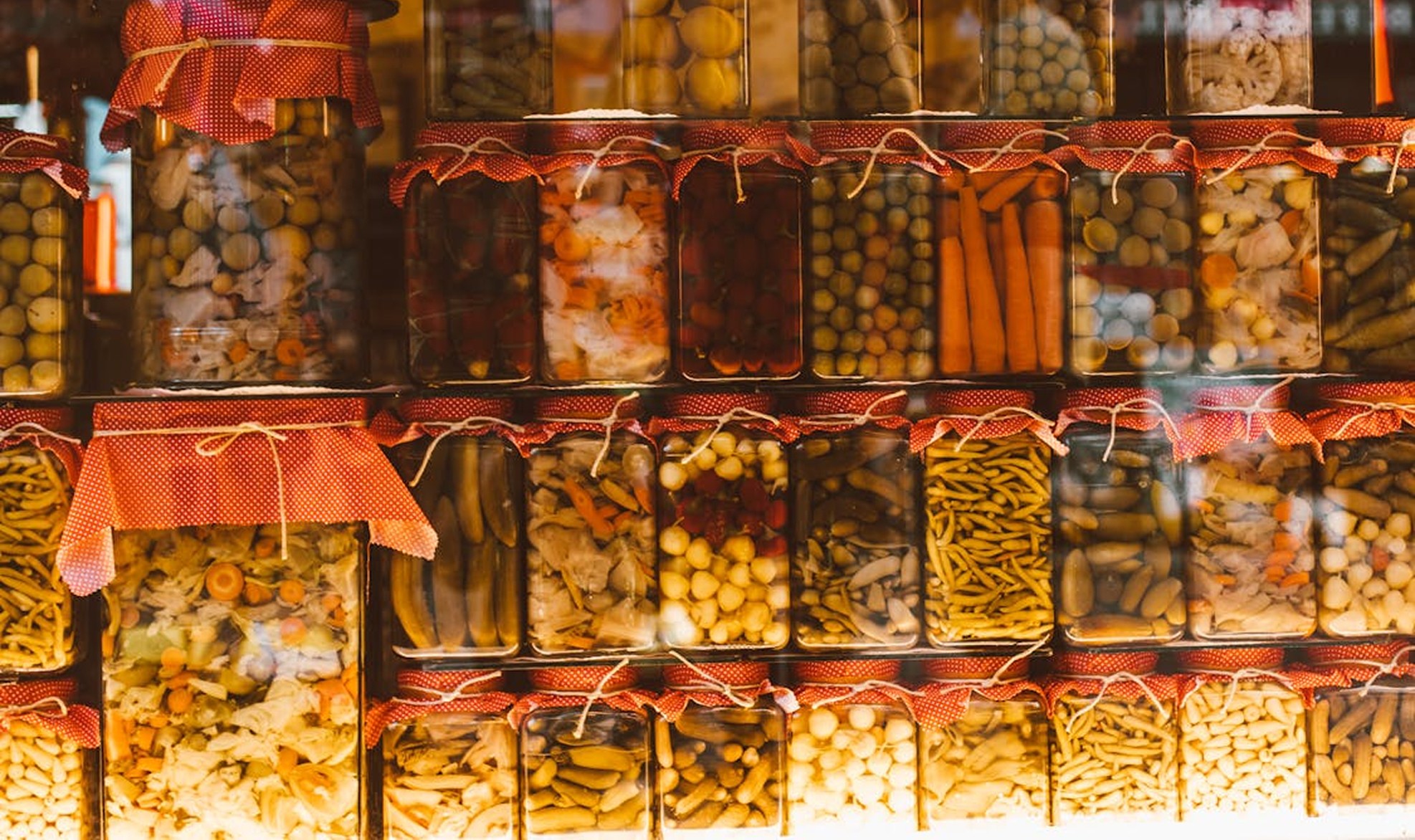
Chitosan in Food and Beverages

Chitosan in Medical and Pharmaceutical

Chitosan in Personal Care products
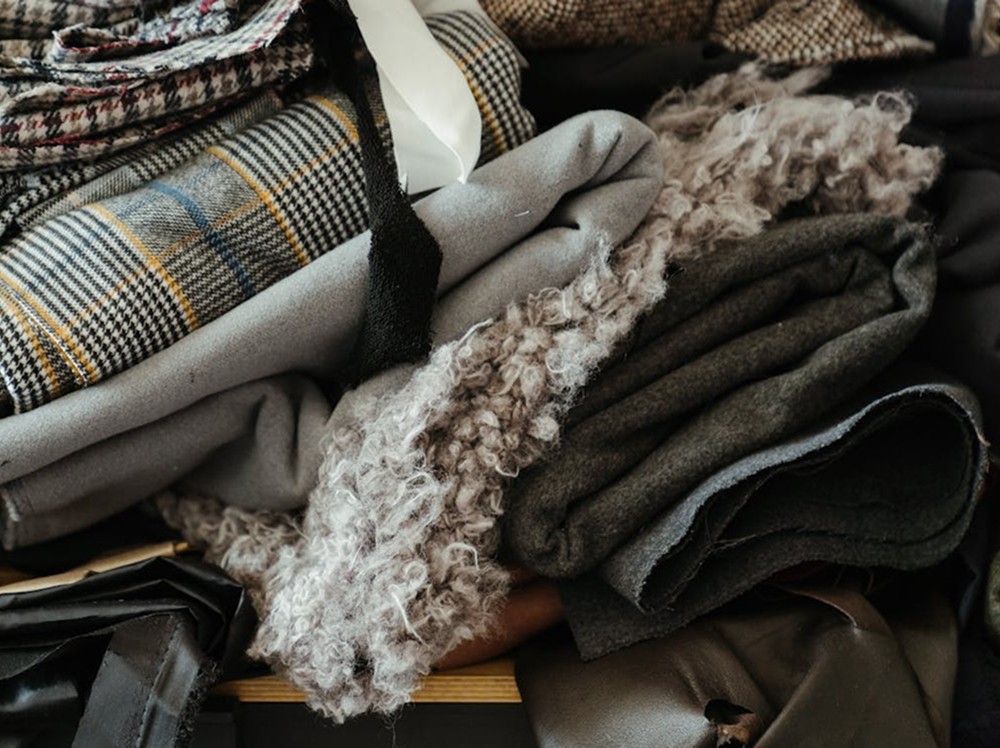
Chitosan in Textiles industry
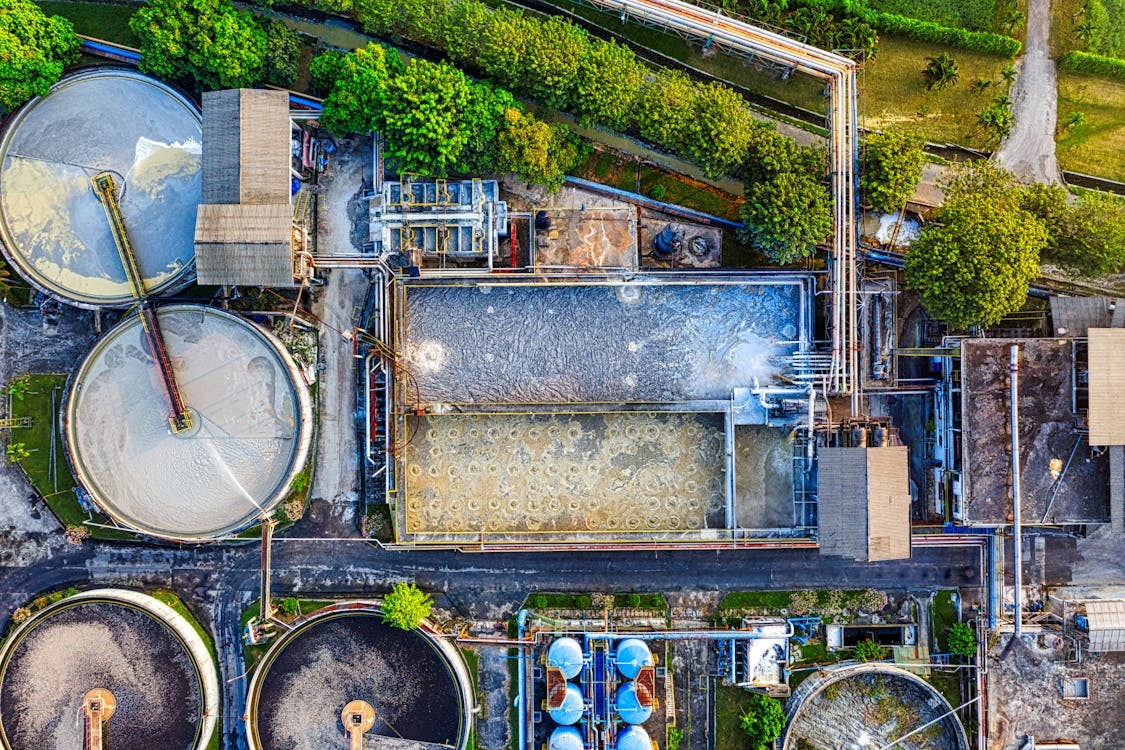
Chitosan in Waste Water Treatment
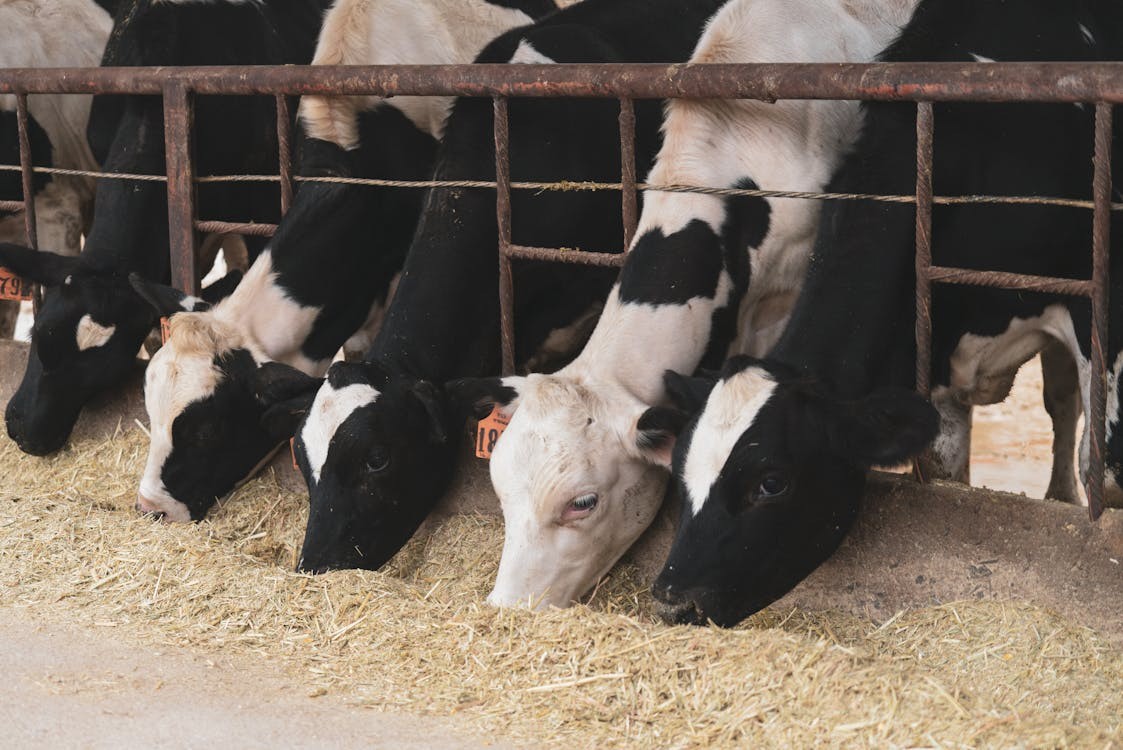
Chitosan in Animal Feed

Chitosan in Agriculture
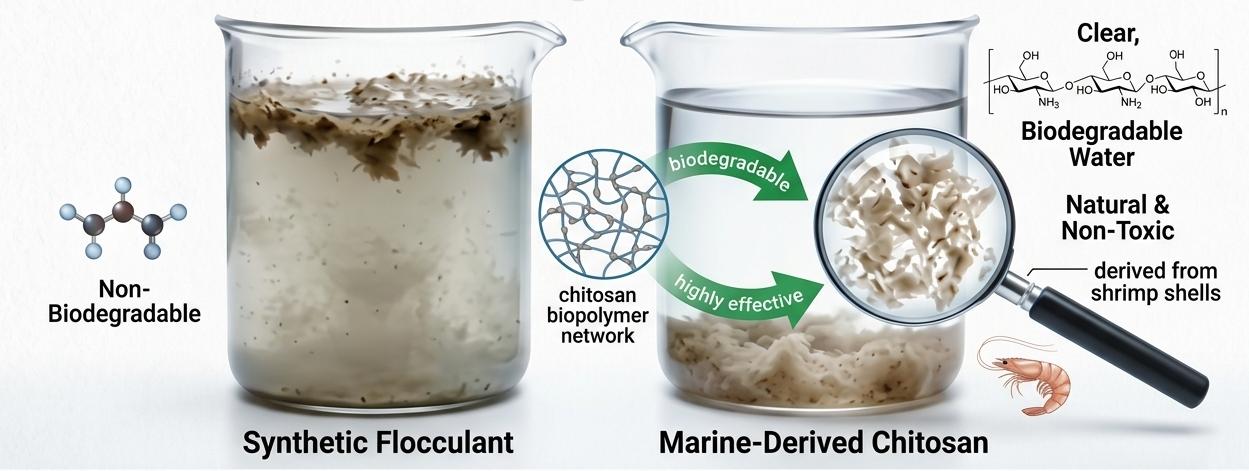
How Chitosan Outperforms Synthetic Flocculants in Municipal Wastewater Treatment
Chitin as a Functional Feed Additive in Aquaculture and Animal Nutrition
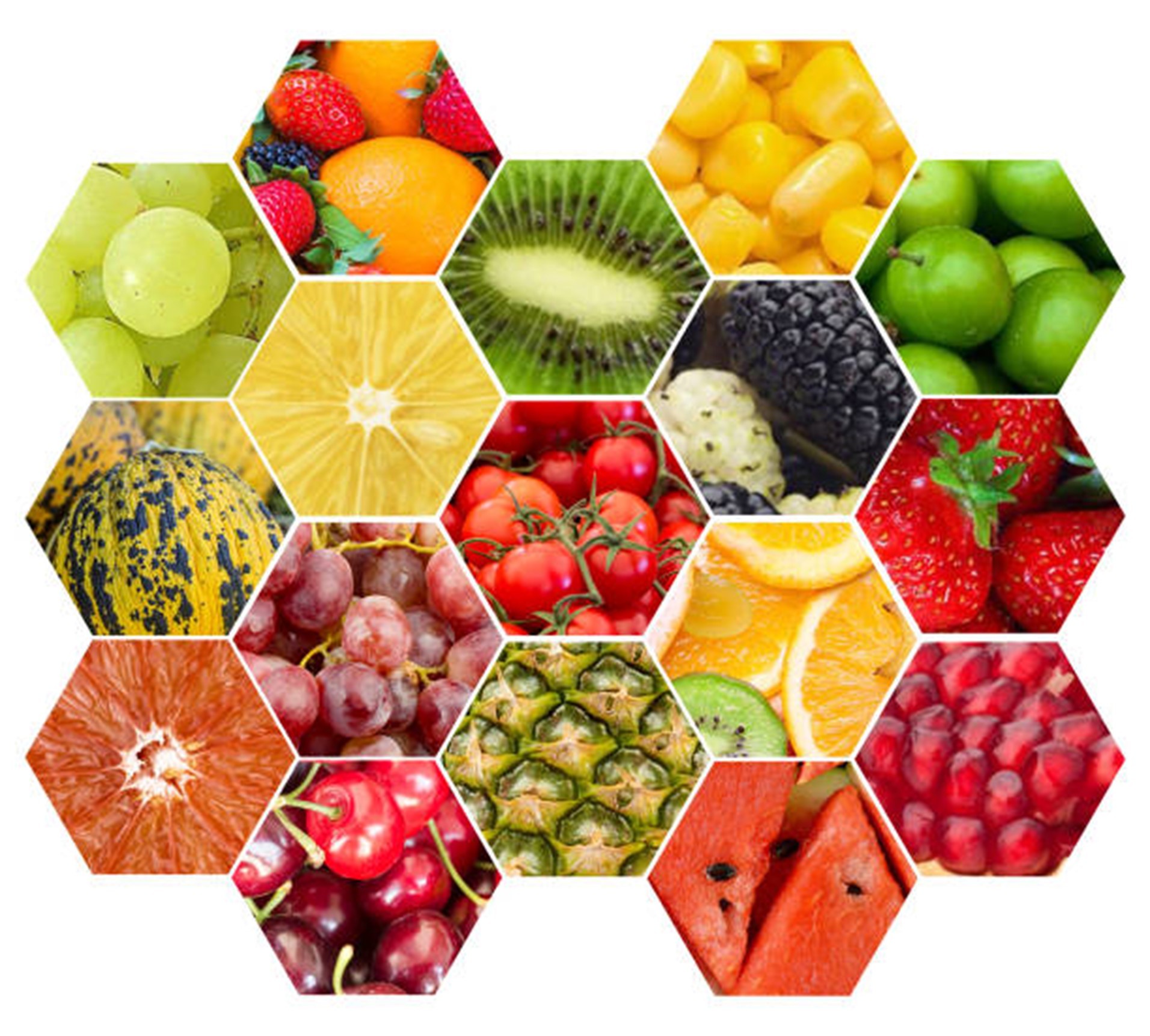
How Natural Biopolymers Are Revolutionizing Postharvest Fruit Coatings
Tilapia Skin: Frozen
Why fish-scale (marine)
hydroxyapatite?
Bulk supplied, EU and Halal certified, sourced from vertically integrated processing operations.
Dried Frozen Species: Oreochromis niloticus (Nile Tilapia)
Certifications: EU · FSSAI · Halal · MPEDA · ISO
Bulk supplied, EU and Halal certified, sourced from vertically integrated processing operations.
Dried Frozen Species: Oreochromis niloticus (Nile Tilapia)
Certifications: EU · FSSAI · Halal · MPEDA · ISO
Best Suited For:
Best Suited For:
Collagen & Gelatin Manufacturers
Pet Food & Treat Manufacturers
Snack & Food Processors
Exotic Leather Tanneries
Request a Quote, Samples or Specifications.
Our tilapia skin is recovered directly from fish processing operations and handled under an unbroken cold chain from the moment of recovery, preserving it for collagen and gelatin extraction or dried under controlled conditions for buyers whose processes prioritize shelf stability over freshness. Tilapia skin is thick, robust and carries a distinctive light and dark pattern, which is part of why it's equally in demand as a food industry raw material and as an exotic leather input. We offer consistent supply for buyers moving from trial orders to standing contracts.
Our tilapia skin is recovered directly from fish processing operations and handled under an unbroken cold chain from the moment of recovery, preserving it for collagen and gelatin extraction or dried under controlled conditions for buyers whose processes prioritize shelf stability over freshness. Tilapia skin is thick, robust and carries a distinctive light and dark pattern, which is part of why it's equally in demand as a food industry raw material and as an exotic leather input. We offer consistent supply for buyers moving from trial orders to standing contracts.
Overview
Chitosan is derived from chitin. Chitosan is made by treating (deacetylating) the chitin shells of shrimp and other crustaceans with an alkaline substance. It is a biodegradable regular polymer with numerous benefits like non-harmfulness, bio similarity, and biodegradability. The amino group in chitosan leads to significant protonation in neutral solution, increasing with increased acidity (decreased pH) and the DA-value. This makes chitosan water-soluble and a bioadhesive which readily binds to negatively charged surfaces.
It can be applied in numerous fields, especially in medicine. As a delivery carrier, it has great potential and couldn’t compare up to different polymers. Due to their stability and biocompatibility the nanoparticles produced from chitosan derivatives can be used to deliver drugs. For research and development of new nano vaccines and nano drugs, chitosan based nanoparticles have great potential in the future.
Native
Chitosan
Water Soluble Chitosan
Chitosan
Oligosaccharides
Shrimp Chitosan - Natural biopolymer variants we offer
Frequently Asked Questions
What is chitosan?
Chitosan is a natural biopolymer derived from chitin, which is found in the exoskeletons of crustaceans like shrimp, crabs, and lobsters.
How is chitosan obtained from shrimp heads and shells?
What is the difference between chitin and chitosan?
Is chitosan is safe?
What are the primary benefits of using Chitosan in animal feed?
Is Chitosan in animal feed safe for all types of livestock?
How does chitosan help in water treatment?
Is chitosan environmentally friendly?
Can chitosan be used in organic farming?
How does chitosan interact with other dietary supplements?
Can Chitosan in animal feed help reduce the use of antibiotics?
What is the recommended way to include Chitosan in animal feed?
Frequently Asked Questions
What is chitosan?
Chitosan is a natural biopolymer derived from chitin, which is found in the exoskeletons of crustaceans like shrimp, crabs, and lobsters.
How is chitosan obtained from shrimp heads and shells?
What is the difference between chitin and chitosan?
How safe is chitosan?
How does chitosan help in water treatment?
Is chitosan environmentally friendly?
Can chitosan be used in organic farming?
How does chitosan interact with other dietary supplements?
Speak to our formulation team!
Whatever we produce,
We must fully use
Contact Us



Phone No:
022 4924 0706
+91 9730007882

Email Address:

Location:
923, IJMIMA complex, MDP Road, Malad West, Mumbai – 400064, Maharashtra, India.
71/17, Topsia Road, (South) Near Millat Nagar Masjid, Kolkata: 700046, West Bengal, India.
© 2026 Nizona Marine Products Private Limited. All Rights Reserved.
Whatever we produce,
We must fully use
Contact Us
Phone No:
022 4924 0706
+91 9730007882
Email Address:
Location:
923, IJMIMA complex, MDP Road, Malad West, Mumbai – 400064, Maharashtra, India.
71/17, Topsia Road, (South) Near Millat Nagar Masjid, Kolkata: 700046, West Bengal, India.
© 2026 Nizona Marine Products Private Limited. All Rights Reserved.
Whatever we produce,
We must fully use
Contact Us
Phone No:
022 4924 0706
+91 9730007882
Email Address:
Location:
923, IJMIMA complex, MDP Road, Malad West, Mumbai – 400064, Maharashtra, India.
71/17, Topsia Road, (South) Near Millat Nagar Masjid, Kolkata: 700046, West Bengal, India.
© 2026 Nizona Marine Products Private Limited. All Rights Reserved.