Have you ever wondered why so many industries, ranging from nutrition and cosmetics to pharmaceuticals, are increasingly focusing on marine-based proteins? One ingredient that often comes up in product discussions is hydrolyzed fish collagen, backed by scientific studies showing its effectiveness and how well the body can use it in different industries.
This article examines hydrolyzed fish collagen, its processing, and the factors that underlie its widespread adoption across industrial applications.
What is fish collagen that has been hydrolyzed?
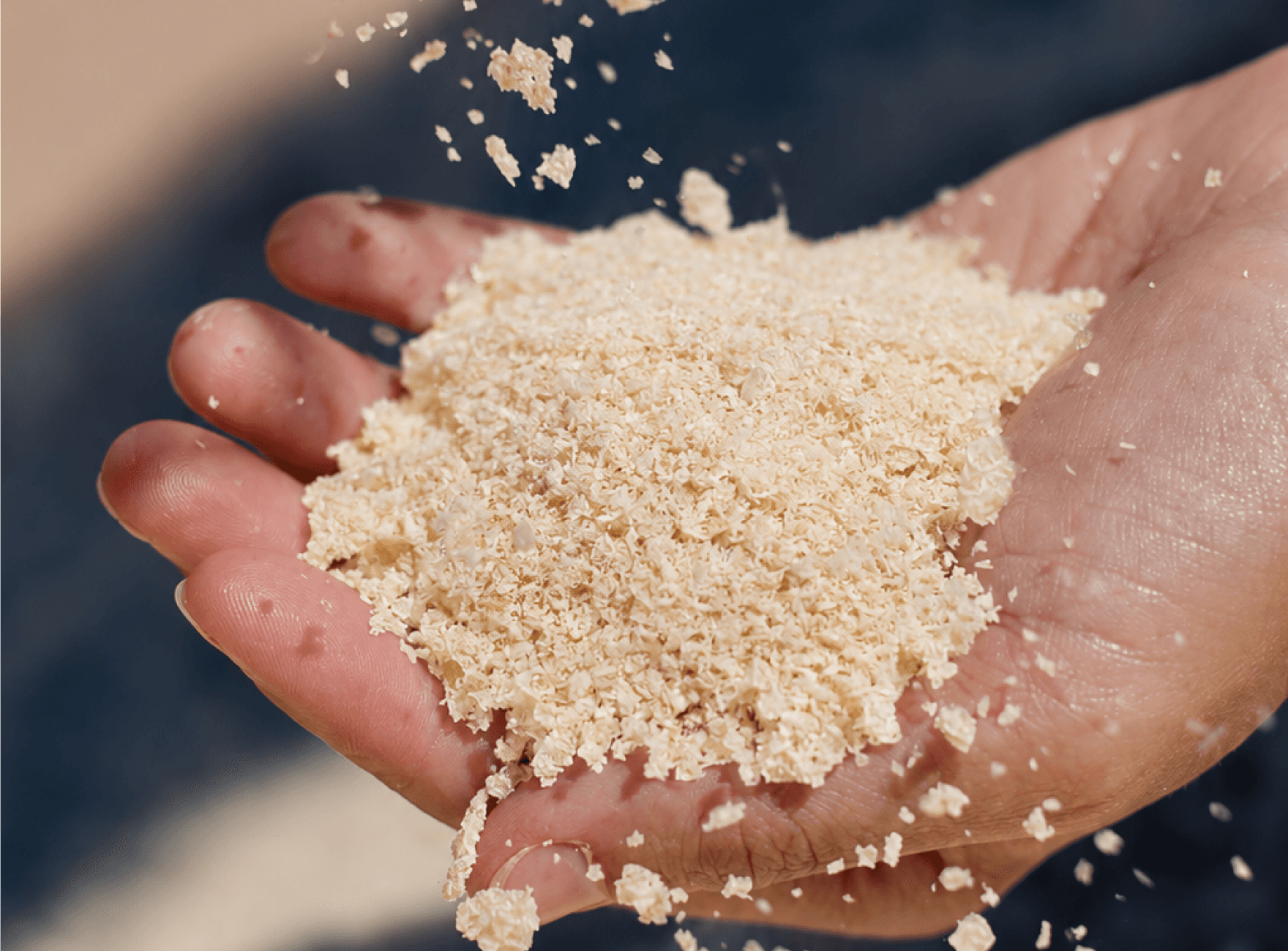
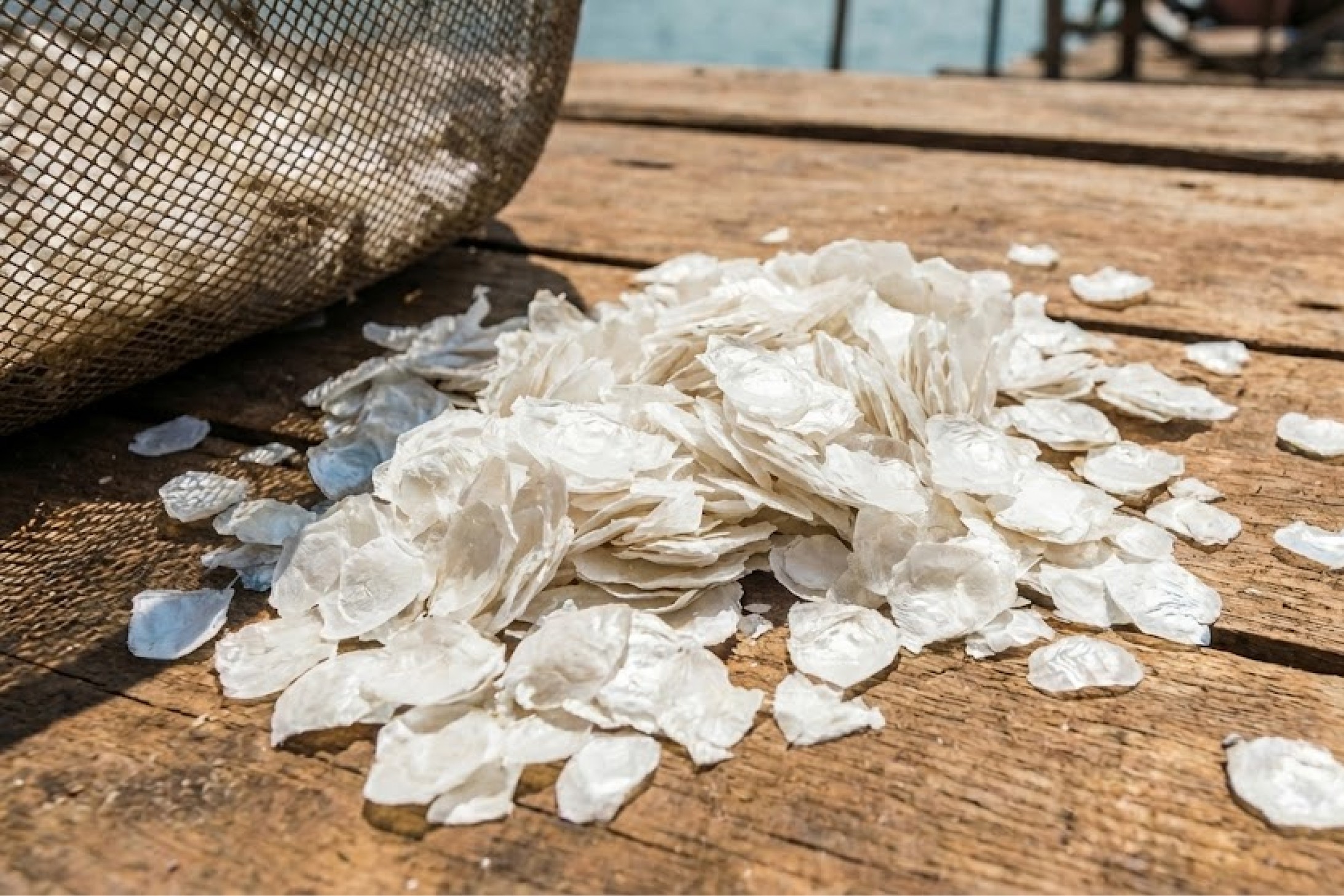
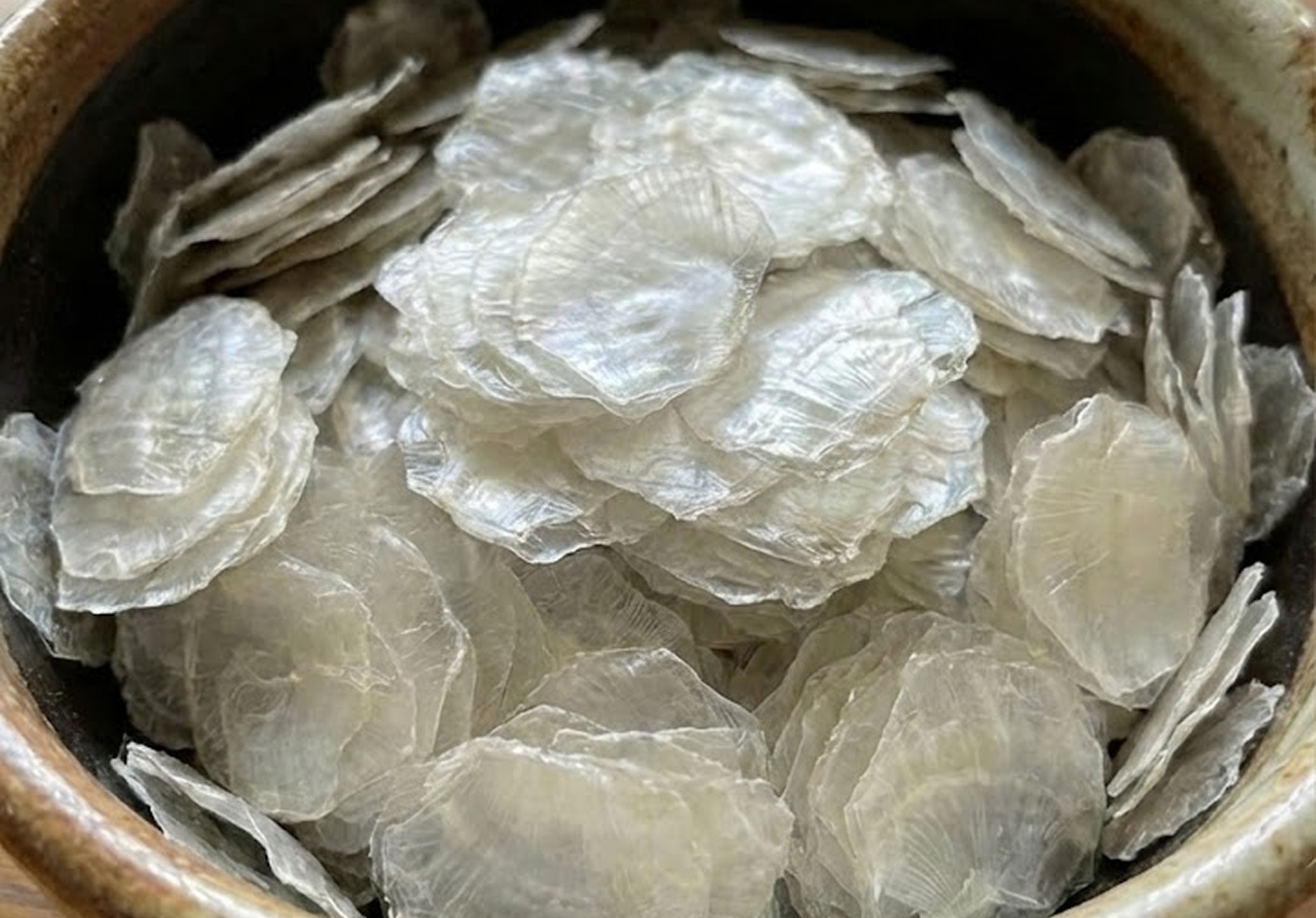
It is produced by enzymatically hydrolysing fish skin and scales to obtain hydrolyzed fish collagen. It splits collagen into low-molecular-weight peptides, thereby enhancing solubility and digestibility. In industrial settings, marine collagen is valued for its neutral flavour, water solubility, and functional versatility.
Hydrolyzed collagen is easier to incorporate into complex formulations than native collagen. For manufacturers considering the use of collagen marine, hydrolyzed forms are available in both liquid and powder, while preserving the structure.
Why Hydrolysis Improves Functional Performance
Hydrolysis plays a crucial role in how collagen performs during processing and end use. Standard collagen has a larger molecular weight, whereas hydrolyzed fish collagen exhibits improved dispersion and stability.
From a production standpoint, manufacturers find it convenient to use hydrolyzed forms because they simplify formulation. This inclination helps explain why businesses that buy hydrolyzed fish protein tend to prioritize peptide-size uniformity and batch-to-batch consistency. Moreover, hydrolyzed fish collagen exhibits predictable performances in heating, mixing, and storage.
Applications Across Key Industries
Nutraceuticals and Dietary Supplements
Hydrolyzed fish collagen is highly used in nutraceutical formulations due to its bioavailability and compatibility with other nutrients. Brands that purchase hydrolyzed fish protein tend to choose marine sources to meet clean-label and traceability requirements.
Functional Foods and Beverages
Defatted marine collagen has an advantage, as functional beverages and fortified foods have a neutral sensory profile. The hydrolyzed forms are soluble and can be used in ready-to-drink solutions and blended powders.
Cosmetics and Personal Care
Topical and ingestible beauty products increasingly rely on hydrolyzed fish collagen to support skin-related formulations. In cosmetics manufacturing, ingredient stability is critical, and marine collagen meets these technical requirements.
Pharmaceuticals and Medical Nutrition
Medical nutrition products require ingredients with consistent molecular behaviour. Here, hydrolyzed fish collagen supports controlled dosing and reliable absorption, making it suitable for clinical nutrition applications.
Hydrolyzed Fish Collagen vs. Standard Collagen
The difference between hydrolyzed and standard collagen lies in their molecular weights and functional properties. Normal collagen is less soluble and less processable, whereas hydrolyzed fish collagen is more dispersed and digestible.
For industrial buyers, this difference affects the efficiency of formulation. Therefore, many collagen manufacturers focus on hydrolyzed forms to minimise processing differences and enhance the end product's performance.
Supply, Quality, and Scalability Considerations
Global demand has demonstrated the importance of reliable sourcing and scalable production. Established collagen manufacturers have robust quality control measures, including traceability, filtration, and regulatory compliance.
A consistent marine collagen supplier ensures consistent peptide profiles and sustainable sourcing. As demand increases, the capacity of marine collagen manufacturers becomes vital for meeting volume, quality, and export demand.
Conclusion
As industries increasingly demand functional, sustainable, and scalable ingredients, hydrolyzed fish collagen continues to gain relevance across sectors. Its versatility, processing advantages, and compatibility with modern formulations make it a cornerstone ingredient in marine-based protein applications. Companies such as Nizona Marine Products contribute to this evolving landscape by operating within established manufacturing standards and supporting the responsible supply of marine collagen ingredients for global industrial use.