Collagen Peptide
How Natural Biopolymers Are Revolutionizing Postharvest Fruit Coatings

Admin
Admin
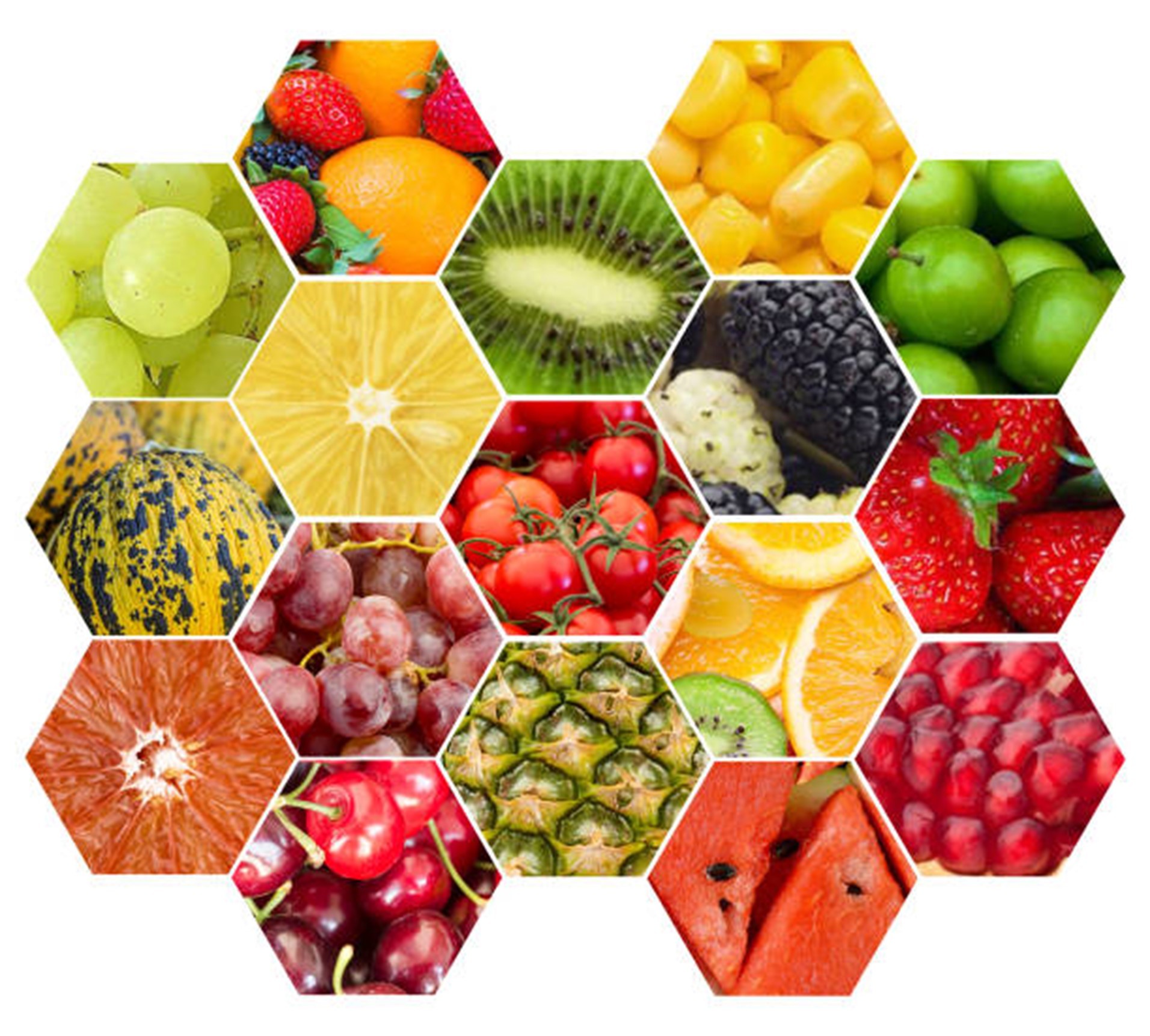
Fresh fruits don’t spoil overnight. The process starts the moment they are harvested. They continue to breathe, lose moisture, and react to their environment. During transportation, storage, and retail display, small changes in temperature or humidity can speed up ripening and decay. For growers and exporters, this means losses. For retailers, it means waste. For consumers, it means higher prices.
This is where postharvest fruit coating technology is making a real difference.
At Nizona Marine Products Private Limited, a marine biomaterials company based in Mumbai, Maharashtra and Kolkata, West Bengal, seafood processing by-products are transformed into high-value functional materials. Through science-backed processing and India–Japan collaboration, the company is helping build sustainable solutions for agriculture and FNV produce.
Let’s understand how natural biopolymers are reshaping fruit preservation in a practical and sustainable way.
Understanding Postharvest Fruit Coatings
A postharvest fruit coating is a thin protective layer applied to fruits after harvesting. It may look invisible to the eye, but it performs important functions.
It helps:
Reduce moisture loss
Slow down respiration
Protect against microbial growth
Maintain freshness and shine
Extend shelf life during storage and export
Traditionally, synthetic waxes were used as coatings for fruits. While they improved appearance, they did not fully align with sustainability goals. Today, markets demand cleaner, safer, and environmentally responsible solutions. That’s why natural biopolymer coatings for fruits are gaining attention.
What Makes Natural Biopolymers Different?
Natural biopolymers are materials derived from biological sources. In simple terms, they come from nature. Many of these materials are biodegradable, safe for food contact, and compatible with agricultural systems.
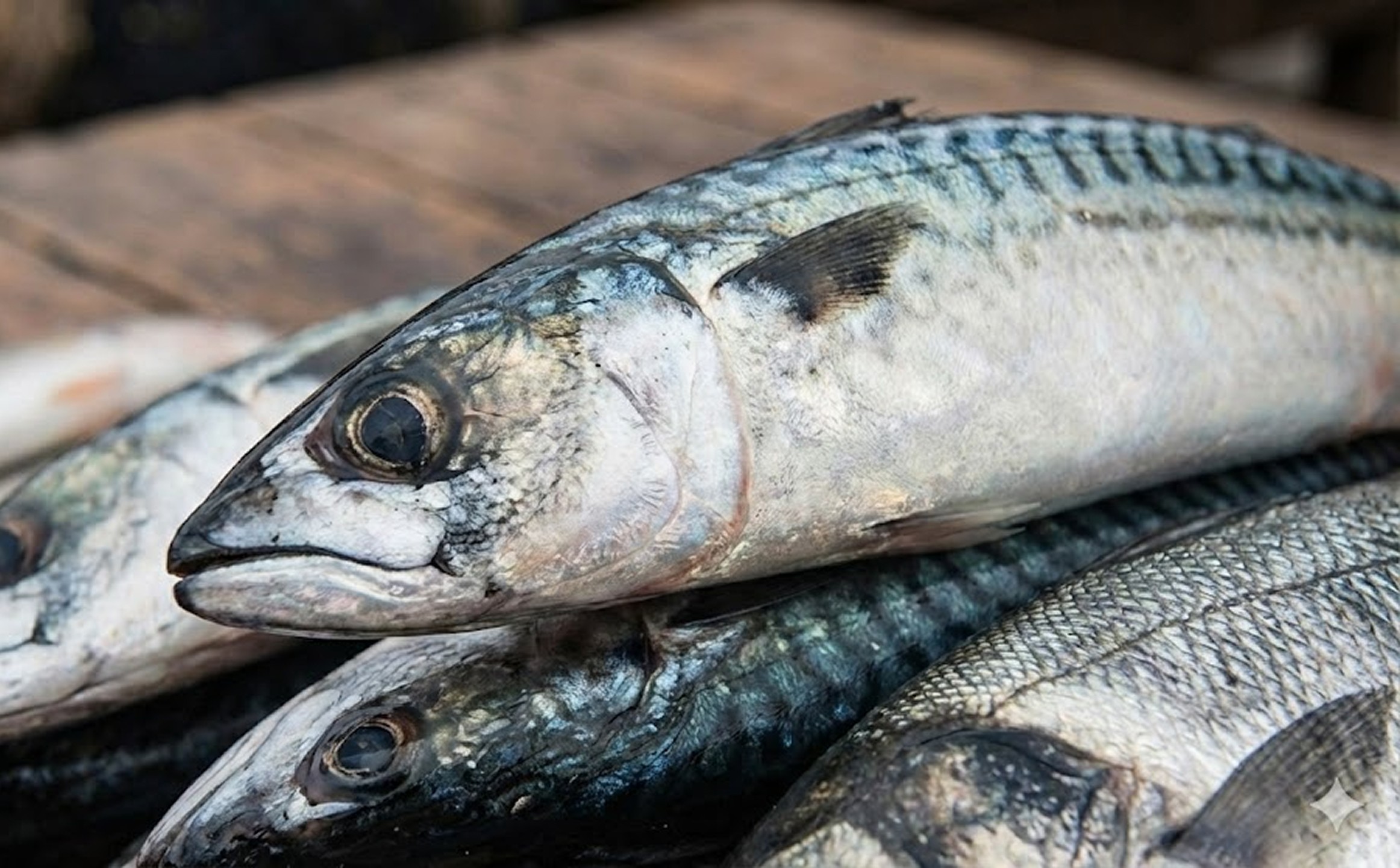
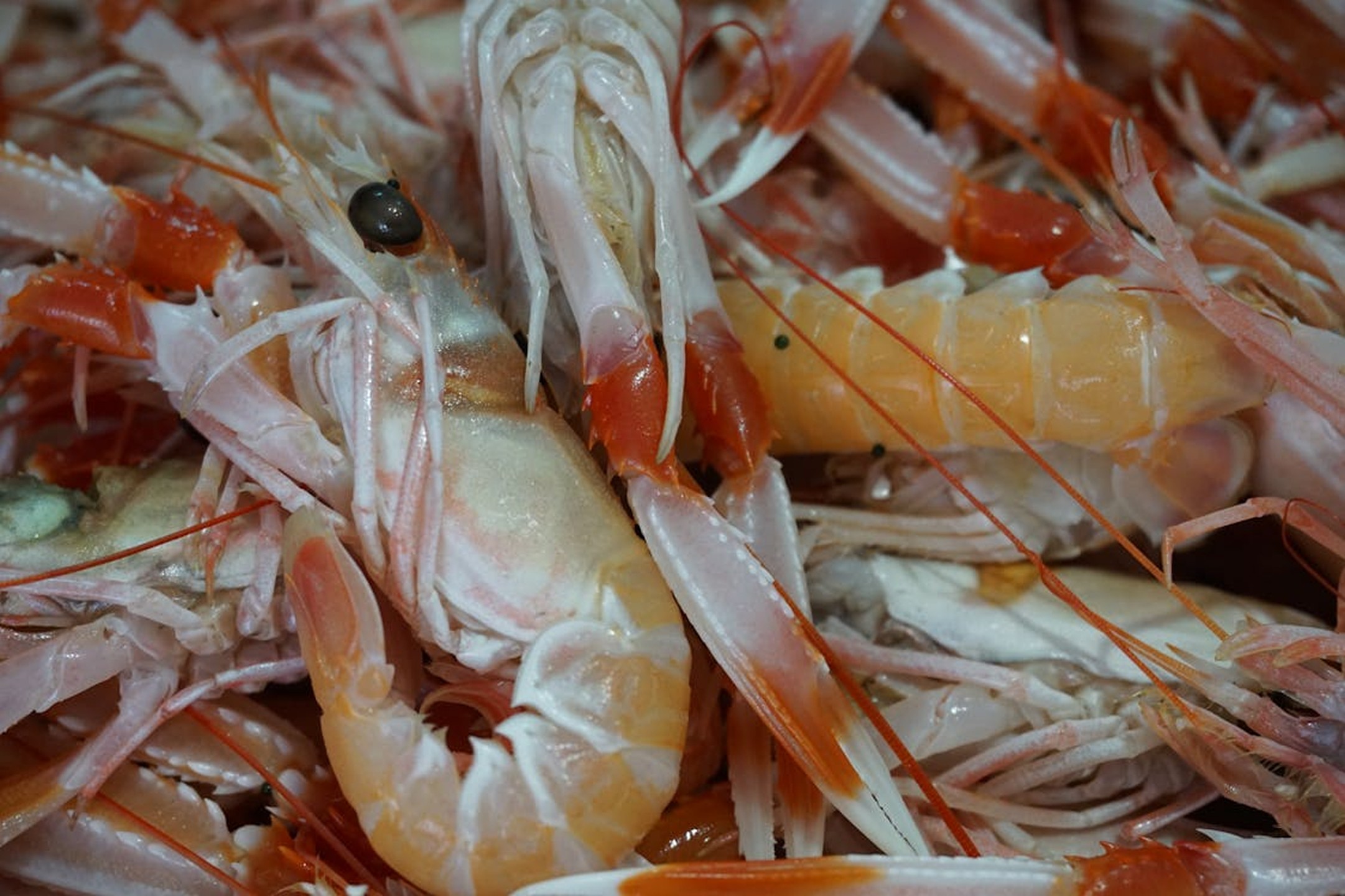
Marine-derived biopolymers, in particular, are gaining importance. Instead of discarding fish and shrimp processing remnants, these materials are upcycled into functional biomaterials. This supports circular economy practices and reduces waste at the source.
At Nizona Marine Products Private Limited, this approach is central. The company focuses on full utilization of marine by-products, transforming them into value-added materials that support agriculture, healthcare, and industrial sectors.
This is sustainability that starts at the raw material level.
The Natural Coatings Effect and Reality
Fruits do not stop respiration when they are harvested. They take up oxygen and give out carbon dioxide. It is a natural process that results in the process of ripening and ultimately spoilage.
Natural biopolymer coating is a semi-permeable film formed on the fruit surface. Controlled gas exchange is possible in this film. It retards but does not suffocate the fruit.
This is what occurs in actual practice:
Loss of moisture is minimized preserving fruits.
Microbial growth slows down
The process of ripening is more regulated.
Shelf life extends
The advantages of the edible coatings are not only theoretical. These have a direct effect on the fruit supply chain in terms of enhancing quality and minimizing losses.
Types of Natural Coatings Available
There is no one-size-fits-all solution. Different fruits require different properties. That’s why several types of natural coatings are used in agriculture.
1. Polysaccharide-Based Coatings
These include materials like chitosan and other carbohydrate-based polymers. They offer good moisture control and are widely used in fruits and vegetables.
2. Protein-Based Coatings
These provide strong film-forming ability and good oxygen barrier properties. They are suitable for high-value produce.
3. Lipid-Based Coatings
These improve water resistance and surface gloss. They are often combined with other materials.
4. Composite Coatings
These combine two or more materials to balance moisture control and gas exchange.
The use of natural biopolymers in agriculture and FNV products is expanding because they offer flexibility, sustainability, and performance.
The Importance of Sustainable Fruit Preservation
Postharvest losses of fruiting are great around the globe. In other areas, 20% to 30% of produce is wasted before reaching the consumers. Here are the effects:
Farmers’ income
Export reliability
Food security
Environmental footprint
Natural coatings support sustainable fruit preservation with the following factors:
Reduce food waste
Enhance the effectiveness of the supply chain.
Lower carbon impact
Support clean-label trends
In the case of exporters who have to ship mangoes, citrus, apples or pomegranates long distances, a long shelf life is essential. One or two additional days may spell out the difference between revenue and loss.
Eliminating Food Waste, Boosting Profitability
Let’s talk business impact.
Fruits are lost during sorting, storage, shipping and display in the retail scene. Losses can be quickly accumulated in large trades when they are in small percentages.
Application of superior coatings on fruits can:
Increase marketable yield
Reduce shrinkage
Enhance looks and feel.
Minimize returns and complaints.
Enhance brand recognition.
To distributors and global importers, better shelf life implies reduced risk. For growers, it translates into greater pricing power. This is not merely a technical improvement; it is an economic benefit.
Understand The India-Japan Collaboration Benefit
The innovation process demands material power as well as the processing know-how.
India is a source of marine resources and high processing power. Japan brings in high-tech, quality, and precision applications. Such a partnership allows the creation of biomaterials that are internationally acceptable.
One of the collaborative ecosystems in which Nizona Marine Products Private Limited operates is located in IJMIMA Complex, Malad West, Mumbai – 400064. The company combines responsible sourcing and science-based processing to deliver scalable, export-ready biomaterial solutions.
The objective is quite easy: convert waste to value without compromising internationally accepted quality standards.
Why B2B Buyers and Partners Should Listen
If you are:
A manufacturer of nutraceuticals.
A company that deals in agricultural inputs.
A developer of a healthcare product.
An industrial purchasing officer.
A distributor in other countries.
A research institution
An investor who is sustainability-oriented.
The use of natural biopolymers has long term strategic advantages.
They align with ESG principles, support compliance with the principles of the circular economy, and respond to the growing demand for sustainable materials.
The future of your business today is an investment in innovative postharvest fruit coating systems to prepare it to meet the regulatory and market demands of tomorrow.
Conclusion
The future of agriculture is smart utilisation of resources. Waste materials to be avoided include marine by-products. They can be processed into valuable biomaterials that sustain food systems. That is our business philosophy at Nizona Marine Products Private Limited, a company that was developed on the principle of full utilization as well as responsible innovation. But when your company is thinking about a more scientific, worldwide cooperative method of maintaining the sustainability of preserving the fruit, it is time to move.
Meet with Nizona Marine Products Private Limited and discuss the potential of marine-based biomaterials to improve your supply chain, reduce waste, and generate long-term value in agriculture and other fields.
FAQs
What are postharvest fruit coatings and why are they important?
They are coating materials that are used once harvesting is done to prolong shelf life, minimize moisture loss, and protect fruit during storage and transportation.
How do natural biopolymers enhance fruit preservation?
They form breathable coatings, which retard respiration and minimise dehydration, and in some cases, they also provide antimicrobial functions.
What are the different types of natural coatings available?
These are polysaccharide, protein, lipid, and composite coatings, each with varying degrees of protection.
How do coatings help reduce food waste and increase profitability?
By extending shelf life and improving quality, coatings reduce spoilage and increase the amount of fruit that reaches the market in saleable condition.
Fresh fruits don’t spoil overnight. The process starts the moment they are harvested. They continue to breathe, lose moisture, and react to their environment. During transportation, storage, and retail display, small changes in temperature or humidity can speed up ripening and decay. For growers and exporters, this means losses. For retailers, it means waste. For consumers, it means higher prices.
This is where postharvest fruit coating technology is making a real difference.
At Nizona Marine Products Private Limited, a marine biomaterials company based in Mumbai, Maharashtra and Kolkata, West Bengal, seafood processing by-products are transformed into high-value functional materials. Through science-backed processing and India–Japan collaboration, the company is helping build sustainable solutions for agriculture and FNV produce.
Let’s understand how natural biopolymers are reshaping fruit preservation in a practical and sustainable way.
Understanding Postharvest Fruit Coatings
A postharvest fruit coating is a thin protective layer applied to fruits after harvesting. It may look invisible to the eye, but it performs important functions.
It helps:
Reduce moisture loss
Slow down respiration
Protect against microbial growth
Maintain freshness and shine
Extend shelf life during storage and export
Traditionally, synthetic waxes were used as coatings for fruits. While they improved appearance, they did not fully align with sustainability goals. Today, markets demand cleaner, safer, and environmentally responsible solutions. That’s why natural biopolymer coatings for fruits are gaining attention.
What Makes Natural Biopolymers Different?
Natural biopolymers are materials derived from biological sources. In simple terms, they come from nature. Many of these materials are biodegradable, safe for food contact, and compatible with agricultural systems.
Marine-derived biopolymers, in particular, are gaining importance. Instead of discarding fish and shrimp processing remnants, these materials are upcycled into functional biomaterials. This supports circular economy practices and reduces waste at the source.
At Nizona Marine Products Private Limited, this approach is central. The company focuses on full utilization of marine by-products, transforming them into value-added materials that support agriculture, healthcare, and industrial sectors.
This is sustainability that starts at the raw material level.
The Natural Coatings Effect and Reality
Fruits do not stop respiration when they are harvested. They take up oxygen and give out carbon dioxide. It is a natural process that results in the process of ripening and ultimately spoilage.
Natural biopolymer coating is a semi-permeable film formed on the fruit surface. Controlled gas exchange is possible in this film. It retards but does not suffocate the fruit.
This is what occurs in actual practice:
Loss of moisture is minimized preserving fruits.
Microbial growth slows down
The process of ripening is more regulated.
Shelf life extends
The advantages of the edible coatings are not only theoretical. These have a direct effect on the fruit supply chain in terms of enhancing quality and minimizing losses.
Types of Natural Coatings Available
There is no one-size-fits-all solution. Different fruits require different properties. That’s why several types of natural coatings are used in agriculture.
1. Polysaccharide-Based Coatings
These include materials like chitosan and other carbohydrate-based polymers. They offer good moisture control and are widely used in fruits and vegetables.
2. Protein-Based Coatings
These provide strong film-forming ability and good oxygen barrier properties. They are suitable for high-value produce.
3. Lipid-Based Coatings
These improve water resistance and surface gloss. They are often combined with other materials.
4. Composite Coatings
These combine two or more materials to balance moisture control and gas exchange.
The use of natural biopolymers in agriculture and FNV products is expanding because they offer flexibility, sustainability, and performance.
The Importance of Sustainable Fruit Preservation
Postharvest losses of fruiting are great around the globe. In other areas, 20% to 30% of produce is wasted before reaching the consumers. Here are the effects:
Farmers’ income
Export reliability
Food security
Environmental footprint
Natural coatings support sustainable fruit preservation with the following factors:
Reduce food waste
Enhance the effectiveness of the supply chain.
Lower carbon impact
Support clean-label trends
In the case of exporters who have to ship mangoes, citrus, apples or pomegranates long distances, a long shelf life is essential. One or two additional days may spell out the difference between revenue and loss.
Eliminating Food Waste, Boosting Profitability
Let’s talk business impact.
Fruits are lost during sorting, storage, shipping and display in the retail scene. Losses can be quickly accumulated in large trades when they are in small percentages.
Application of superior coatings on fruits can:
Increase marketable yield
Reduce shrinkage
Enhance looks and feel.
Minimize returns and complaints.
Enhance brand recognition.
To distributors and global importers, better shelf life implies reduced risk. For growers, it translates into greater pricing power. This is not merely a technical improvement; it is an economic benefit.
Understand The India-Japan Collaboration Benefit
The innovation process demands material power as well as the processing know-how.
India is a source of marine resources and high processing power. Japan brings in high-tech, quality, and precision applications. Such a partnership allows the creation of biomaterials that are internationally acceptable.
One of the collaborative ecosystems in which Nizona Marine Products Private Limited operates is located in IJMIMA Complex, Malad West, Mumbai – 400064. The company combines responsible sourcing and science-based processing to deliver scalable, export-ready biomaterial solutions.
The objective is quite easy: convert waste to value without compromising internationally accepted quality standards.
Why B2B Buyers and Partners Should Listen
If you are:
A manufacturer of nutraceuticals.
A company that deals in agricultural inputs.
A developer of a healthcare product.
An industrial purchasing officer.
A distributor in other countries.
A research institution
An investor who is sustainability-oriented.
The use of natural biopolymers has long term strategic advantages.
They align with ESG principles, support compliance with the principles of the circular economy, and respond to the growing demand for sustainable materials.
The future of your business today is an investment in innovative postharvest fruit coating systems to prepare it to meet the regulatory and market demands of tomorrow.
Conclusion
The future of agriculture is smart utilisation of resources. Waste materials to be avoided include marine by-products. They can be processed into valuable biomaterials that sustain food systems. That is our business philosophy at Nizona Marine Products Private Limited, a company that was developed on the principle of full utilization as well as responsible innovation. But when your company is thinking about a more scientific, worldwide cooperative method of maintaining the sustainability of preserving the fruit, it is time to move.
Meet with Nizona Marine Products Private Limited and discuss the potential of marine-based biomaterials to improve your supply chain, reduce waste, and generate long-term value in agriculture and other fields.
FAQs
What are postharvest fruit coatings and why are they important?
They are coating materials that are used once harvesting is done to prolong shelf life, minimize moisture loss, and protect fruit during storage and transportation.
How do natural biopolymers enhance fruit preservation?
They form breathable coatings, which retard respiration and minimise dehydration, and in some cases, they also provide antimicrobial functions.
What are the different types of natural coatings available?
These are polysaccharide, protein, lipid, and composite coatings, each with varying degrees of protection.
How do coatings help reduce food waste and increase profitability?
By extending shelf life and improving quality, coatings reduce spoilage and increase the amount of fruit that reaches the market in saleable condition.
Related Blogs












Whatever we produce,
We must fully use
Contact Us


Socials

Phone No:
022 4924 0706
+91 9730007882

Email Address:
info@nizonamarineproducts.com

Location:
923, IJMIMA complex, MDP Road, Malad West, Mumbai – 400064, Maharashtra, India.
71/17, Topsia Road, (South) Near Millat Nagar Masjid, Kolkata: 700046, West Bengal, India.
© 2026 Nizona Marine Products Private Limited. All Rights Reserved.
Whatever we produce,
We must fully use
Contact Us
Socials
Phone No:
022 4924 0706
+91 9730007882
Email Address:
info@nizonamarineproducts.com
Location:
923, IJMIMA complex, MDP Road, Malad West, Mumbai – 400064, Maharashtra, India.
71/17, Topsia Road, (South) Near Millat Nagar Masjid, Kolkata: 700046, West Bengal, India.
© 2026 Nizona Marine Products Private Limited. All Rights Reserved.
Whatever we produce,
We must fully use
Contact Us
Socials
Phone No:
022 4924 0706
+91 9730007882
Email Address:
Location:
923, IJMIMA complex, MDP Road, Malad West, Mumbai – 400064, Maharashtra, India.
71/17, Topsia Road, (South) Near Millat Nagar Masjid, Kolkata: 700046, West Bengal, India.
© 2026 Nizona Marine Products Private Limited. All Rights Reserved.