Collagen Peptide
Shelf Life Enhancement Strategies: Natural Post-Harvest Coatings for Fruit Processors and Exporters

Admin
Admin
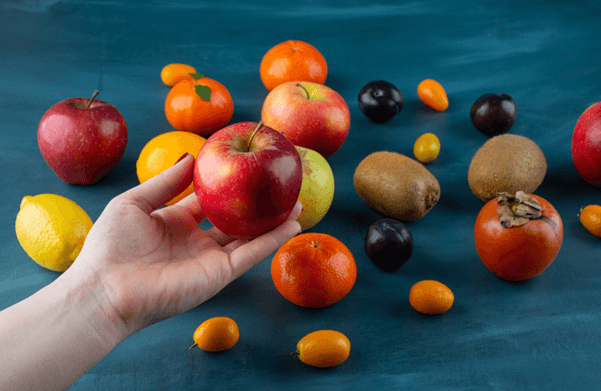
Fresh fruits are living products. They keep breathing, even after harvest; they keep ripening, and they slowly proceed to spoil. To fruit processors and exporters, this natural process may easily be transformed into a financial threat. A late shipment at port, a small break in the cold chain, or high humidity during storage will decrease quality and market value.
This is the reason why the Shelf life enhancement for fruits has become an important issue in global trade. It is not merely covering the extension of the shelf life of fruits by a few days. It has to do with quality protection, brand reputation and consistency in export performance.
At Nizona Marine Products Private Limited, a Mumbai and Kolkata-based marine biomaterials company, there is by-product processing of seafood to produce functional materials that enhance the support of agriculture and food systems. With its sustainability-oriented business and India-Japan cooperation, the company can also help in new, innovative and responsible postharvest treatment solutions, which would be in line with the principles of a circular economy.
Let us ensure that we learn how the natural coatings are transforming the manner in which the fruit processors and exporters are looking at preservation.
Why Shelf Life Enhancement Is Critical for Exporters
Export markets are demanding. Fruits must travel long distances while maintaining firmness, shine, and uniform color. Even small changes in texture or weight can affect buyer acceptance.
When shelf life is not managed properly, exporters face:
● Increased rejection rates
● Higher transit losses
● Reduced pricing power
● Brand reputation damage
This makes Fruit shelf life extension more than a technical improvement—it becomes a business safeguard. By improving storage stability, exporters gain more flexibility in logistics and better control over delivery timelines.
The Role of Natural Preservation Technologies
Synthetic waxes had been used as postharvest coatings over the years. Although they did enhance the shine and minimize the loss of moisture to a lesser degree, the current market is moving towards safer and greener options.
This movement has led to the rise in demand of Natural preservation technologies. These are biological solutions that are generally biodegradable and can be used with food systems.
Natural coating is a thin breathable layer that is created on the fruit surface. They do not entirely cover the fruit. They instead control the loss of moisture and gases. This is essential as fruits would still be respiring even after picking.
In case of slow respiration, ripening is more regulated. Water evaporation is minimized, which prevents loss of firmness and weight. Microbial growth is also reduced on most occasions.
The outcome is the improved stability of storage without the excessive reliance on chemicals.
How Natural Coatings Improve Storage Stability
After harvest, fruits begin losing water through their skin. This leads to shriveling and softening. At the same time, oxygen intake drives ripening and eventual spoilage.
Natural coatings act as a semi-permeable barrier. They reduce excessive water loss while allowing controlled oxygen exchange. This helps maintain internal balance.
For exporters dealing with long shipping times, this stability is essential. A well-formulated coating can help fruits tolerate extended storage and transportation while maintaining quality.
It also supports export quality fruit preservation, ensuring that fruits arrive at destination markets in good condition.
Maintaining Firmness and Visual Appeal
Customers evaluate fruits on basis of their appearance. The impression of a glossy and solid surface is positive. Monotony, withering or unbalanced color may decrease buyer appeal.
The natural finishes aid in preserving the level of smoothness on the surface and in minimizing dehydration. They preserve texture by reducing the amount of moisture lost. They minimize small abrasions during manipulation by creating a coating that protects.
This is specifically relevant to high quality fruit like mangoes, citrus fruits, apples and pomegranates. Visual quality is a direct determining factor of pricing in competitive markets.
To the processors of large retail chains, uniformity in appearance creates long-term business relationships.
Natural Coatings as Food Waste Reduction Strategies
Food waste is not only an environmental issue; it is a financial burden. When fruits spoil before reaching consumers, farmers lose income, exporters lose margins, and resources like water and energy go to waste.
Improving shelf life supports effective Food waste reduction strategies. Even a small percentage improvement in preservation can significantly reduce overall losses in large-scale operations.
For sustainability-focused investors and global collaborators, waste reduction is closely linked to environmental responsibility. Companies that adopt circular solutions gain stronger ESG positioning.
This is where upcycled marine biomaterials offer added value.
Circular Bioeconomy and Marine Biomaterials
Seafood processing generates large volumes of by-products. Traditionally, much of this material was underutilized. Today, it can be transformed into functional biomaterials that serve agriculture and food systems.
This approach supports resource efficiency and reduces unmanaged waste.
Nizona Marine Products Private Limited operates on the belief that full utilization should start at the raw material level. Instead of discarding marine remnants, they are processed into value-added biomaterials.
India provides abundnt marine raw materials and strong processing capability. Japan contributes advanced technologies, quality standards, and application precision. This India–Japan collaboration strengthens product consistency and global acceptance.
Are Natural Coatings Commercially Scalable?
Many exporters ask whether natural coatings can handle large volumes.
Scalability depends on consistent raw material sourcing, standardized processing, and quality control. When these elements are in place, natural coating solutions can be integrated into commercial packing lines through dipping or spraying systems.
Marine-derived biomaterials, when properly processed, offer reliable supply chains and consistent performance. This makes them suitable for B2B applications.
Processors and distributors benefit from predictable quality and improved logistics planning.
A Strategic Opportunity for B2B Stakeholders
Natural postharvest solutions are not limited to fruit exporters. They are relevant for nutraceutical manufacturers, agriculture input companies, research institutions, and industrial material buyers looking for sustainable alternatives.
As global regulations tighten and consumer awareness grows, businesses that adopt responsible preservation technologies gain long-term advantage.
Shelf life enhancement for fruits is now directly linked to profitability, sustainability, and global competitiveness.
Conclusion
The future of fruit trade depends on smarter preservation strategies. Reducing waste, maintaining quality, and meeting export standards are no longer optional goals. They are essential for growth.
Natural coatings supported by circular biomaterial processing offer a practical path forward. They protect fruits, support sustainability, and improve business outcomes at the same time.
Nizona Marine Products Private Limited is committed to transforming marine by-products into functional biomaterials that strengthen agriculture and food systems. With sustainability-driven operations and global collaboration, the company is building solutions that go beyond preservation — solutions that create real value.
If you are ready to enhance fruit shelf life while supporting circular resource use, connect with Nizona Marine Products Private Limited today and explore how innovative biomaterials can power your next phase of growth.
FAQs
How do natural coatings improve storage stability?
Natural coatings form a thin protective layer on the fruit surface that slows moisture loss and respiration. These natural preservation technologies help stabilize fruits during storage and transport. As part of modern postharvest treatment solutions, they support fruit shelf life extension and reduce spoilage.
Can coatings maintain firmness and visual quality?
Yes, natural coatings help retain moisture and slow the ripening process, which maintains fruit firmness and appearance. This improves export quality fruit preservation during storage and shipping. Such postharvest treatment solutions also contribute to longer fruit shelf life extension.
What factors influence coating performance?
Coating performance depends on fruit type, storage temperature, humidity, and application method. When these factors are managed correctly, natural preservation technologies improve fruit shelf life extension and ensure reliable export quality fruit preservation while reducing losses.
Fresh fruits are living products. They keep breathing, even after harvest; they keep ripening, and they slowly proceed to spoil. To fruit processors and exporters, this natural process may easily be transformed into a financial threat. A late shipment at port, a small break in the cold chain, or high humidity during storage will decrease quality and market value.
This is the reason why the Shelf life enhancement for fruits has become an important issue in global trade. It is not merely covering the extension of the shelf life of fruits by a few days. It has to do with quality protection, brand reputation and consistency in export performance.
At Nizona Marine Products Private Limited, a Mumbai and Kolkata-based marine biomaterials company, there is by-product processing of seafood to produce functional materials that enhance the support of agriculture and food systems. With its sustainability-oriented business and India-Japan cooperation, the company can also help in new, innovative and responsible postharvest treatment solutions, which would be in line with the principles of a circular economy.
Let us ensure that we learn how the natural coatings are transforming the manner in which the fruit processors and exporters are looking at preservation.
Why Shelf Life Enhancement Is Critical for Exporters
Export markets are demanding. Fruits must travel long distances while maintaining firmness, shine, and uniform color. Even small changes in texture or weight can affect buyer acceptance.
When shelf life is not managed properly, exporters face:
● Increased rejection rates
● Higher transit losses
● Reduced pricing power
● Brand reputation damage
This makes Fruit shelf life extension more than a technical improvement—it becomes a business safeguard. By improving storage stability, exporters gain more flexibility in logistics and better control over delivery timelines.
The Role of Natural Preservation Technologies
Synthetic waxes had been used as postharvest coatings over the years. Although they did enhance the shine and minimize the loss of moisture to a lesser degree, the current market is moving towards safer and greener options.
This movement has led to the rise in demand of Natural preservation technologies. These are biological solutions that are generally biodegradable and can be used with food systems.
Natural coating is a thin breathable layer that is created on the fruit surface. They do not entirely cover the fruit. They instead control the loss of moisture and gases. This is essential as fruits would still be respiring even after picking.
In case of slow respiration, ripening is more regulated. Water evaporation is minimized, which prevents loss of firmness and weight. Microbial growth is also reduced on most occasions.
The outcome is the improved stability of storage without the excessive reliance on chemicals.
How Natural Coatings Improve Storage Stability
After harvest, fruits begin losing water through their skin. This leads to shriveling and softening. At the same time, oxygen intake drives ripening and eventual spoilage.
Natural coatings act as a semi-permeable barrier. They reduce excessive water loss while allowing controlled oxygen exchange. This helps maintain internal balance.
For exporters dealing with long shipping times, this stability is essential. A well-formulated coating can help fruits tolerate extended storage and transportation while maintaining quality.
It also supports export quality fruit preservation, ensuring that fruits arrive at destination markets in good condition.
Maintaining Firmness and Visual Appeal
Customers evaluate fruits on basis of their appearance. The impression of a glossy and solid surface is positive. Monotony, withering or unbalanced color may decrease buyer appeal.
The natural finishes aid in preserving the level of smoothness on the surface and in minimizing dehydration. They preserve texture by reducing the amount of moisture lost. They minimize small abrasions during manipulation by creating a coating that protects.
This is specifically relevant to high quality fruit like mangoes, citrus fruits, apples and pomegranates. Visual quality is a direct determining factor of pricing in competitive markets.
To the processors of large retail chains, uniformity in appearance creates long-term business relationships.
Natural Coatings as Food Waste Reduction Strategies
Food waste is not only an environmental issue; it is a financial burden. When fruits spoil before reaching consumers, farmers lose income, exporters lose margins, and resources like water and energy go to waste.
Improving shelf life supports effective Food waste reduction strategies. Even a small percentage improvement in preservation can significantly reduce overall losses in large-scale operations.
For sustainability-focused investors and global collaborators, waste reduction is closely linked to environmental responsibility. Companies that adopt circular solutions gain stronger ESG positioning.
This is where upcycled marine biomaterials offer added value.
Circular Bioeconomy and Marine Biomaterials
Seafood processing generates large volumes of by-products. Traditionally, much of this material was underutilized. Today, it can be transformed into functional biomaterials that serve agriculture and food systems.
This approach supports resource efficiency and reduces unmanaged waste.
Nizona Marine Products Private Limited operates on the belief that full utilization should start at the raw material level. Instead of discarding marine remnants, they are processed into value-added biomaterials.
India provides abundnt marine raw materials and strong processing capability. Japan contributes advanced technologies, quality standards, and application precision. This India–Japan collaboration strengthens product consistency and global acceptance.
Are Natural Coatings Commercially Scalable?
Many exporters ask whether natural coatings can handle large volumes.
Scalability depends on consistent raw material sourcing, standardized processing, and quality control. When these elements are in place, natural coating solutions can be integrated into commercial packing lines through dipping or spraying systems.
Marine-derived biomaterials, when properly processed, offer reliable supply chains and consistent performance. This makes them suitable for B2B applications.
Processors and distributors benefit from predictable quality and improved logistics planning.
A Strategic Opportunity for B2B Stakeholders
Natural postharvest solutions are not limited to fruit exporters. They are relevant for nutraceutical manufacturers, agriculture input companies, research institutions, and industrial material buyers looking for sustainable alternatives.
As global regulations tighten and consumer awareness grows, businesses that adopt responsible preservation technologies gain long-term advantage.
Shelf life enhancement for fruits is now directly linked to profitability, sustainability, and global competitiveness.
Conclusion
The future of fruit trade depends on smarter preservation strategies. Reducing waste, maintaining quality, and meeting export standards are no longer optional goals. They are essential for growth.
Natural coatings supported by circular biomaterial processing offer a practical path forward. They protect fruits, support sustainability, and improve business outcomes at the same time.
Nizona Marine Products Private Limited is committed to transforming marine by-products into functional biomaterials that strengthen agriculture and food systems. With sustainability-driven operations and global collaboration, the company is building solutions that go beyond preservation — solutions that create real value.
If you are ready to enhance fruit shelf life while supporting circular resource use, connect with Nizona Marine Products Private Limited today and explore how innovative biomaterials can power your next phase of growth.
FAQs
How do natural coatings improve storage stability?
Natural coatings form a thin protective layer on the fruit surface that slows moisture loss and respiration. These natural preservation technologies help stabilize fruits during storage and transport. As part of modern postharvest treatment solutions, they support fruit shelf life extension and reduce spoilage.
Can coatings maintain firmness and visual quality?
Yes, natural coatings help retain moisture and slow the ripening process, which maintains fruit firmness and appearance. This improves export quality fruit preservation during storage and shipping. Such postharvest treatment solutions also contribute to longer fruit shelf life extension.
What factors influence coating performance?
Coating performance depends on fruit type, storage temperature, humidity, and application method. When these factors are managed correctly, natural preservation technologies improve fruit shelf life extension and ensure reliable export quality fruit preservation while reducing losses.
Related Blogs











Whatever we produce,
We must fully use
Contact Us


Socials

Phone No:
022 4924 0706
+91 9730007882

Email Address:
info@nizonamarineproducts.com

Location:
923, IJMIMA complex, MDP Road, Malad West, Mumbai – 400064, Maharashtra, India.
71/17, Topsia Road, (South) Near Millat Nagar Masjid, Kolkata: 700046, West Bengal, India.
© 2026 Nizona Marine Products Private Limited. All Rights Reserved.
Whatever we produce,
We must fully use
Contact Us
Socials
Phone No:
022 4924 0706
+91 9730007882
Email Address:
info@nizonamarineproducts.com
Location:
923, IJMIMA complex, MDP Road, Malad West, Mumbai – 400064, Maharashtra, India.
71/17, Topsia Road, (South) Near Millat Nagar Masjid, Kolkata: 700046, West Bengal, India.
© 2026 Nizona Marine Products Private Limited. All Rights Reserved.
Whatever we produce,
We must fully use
Contact Us
Socials
Phone No:
022 4924 0706
+91 9730007882
Email Address:
Location:
923, IJMIMA complex, MDP Road, Malad West, Mumbai – 400064, Maharashtra, India.
71/17, Topsia Road, (South) Near Millat Nagar Masjid, Kolkata: 700046, West Bengal, India.
© 2026 Nizona Marine Products Private Limited. All Rights Reserved.