Sustainability
Feb 26, 2026
Collagen, Chitosan, and Climate: How Marine Biomaterials Are Becoming Part of the Solution

Admin
Admin
When people talk about climate solutions, they usually talk about solar panels, electric vehicles, or hydrogen. Rarely does anyone talk about fish scales or shrimp shells.
But perhaps we should.
Because hidden inside what we have long called “waste” are materials that can help solve some of the unintended consequences of industrialisation.
Not because they are new. But because we are finally ready to use them properly.
The Waste We Never Really Looked At
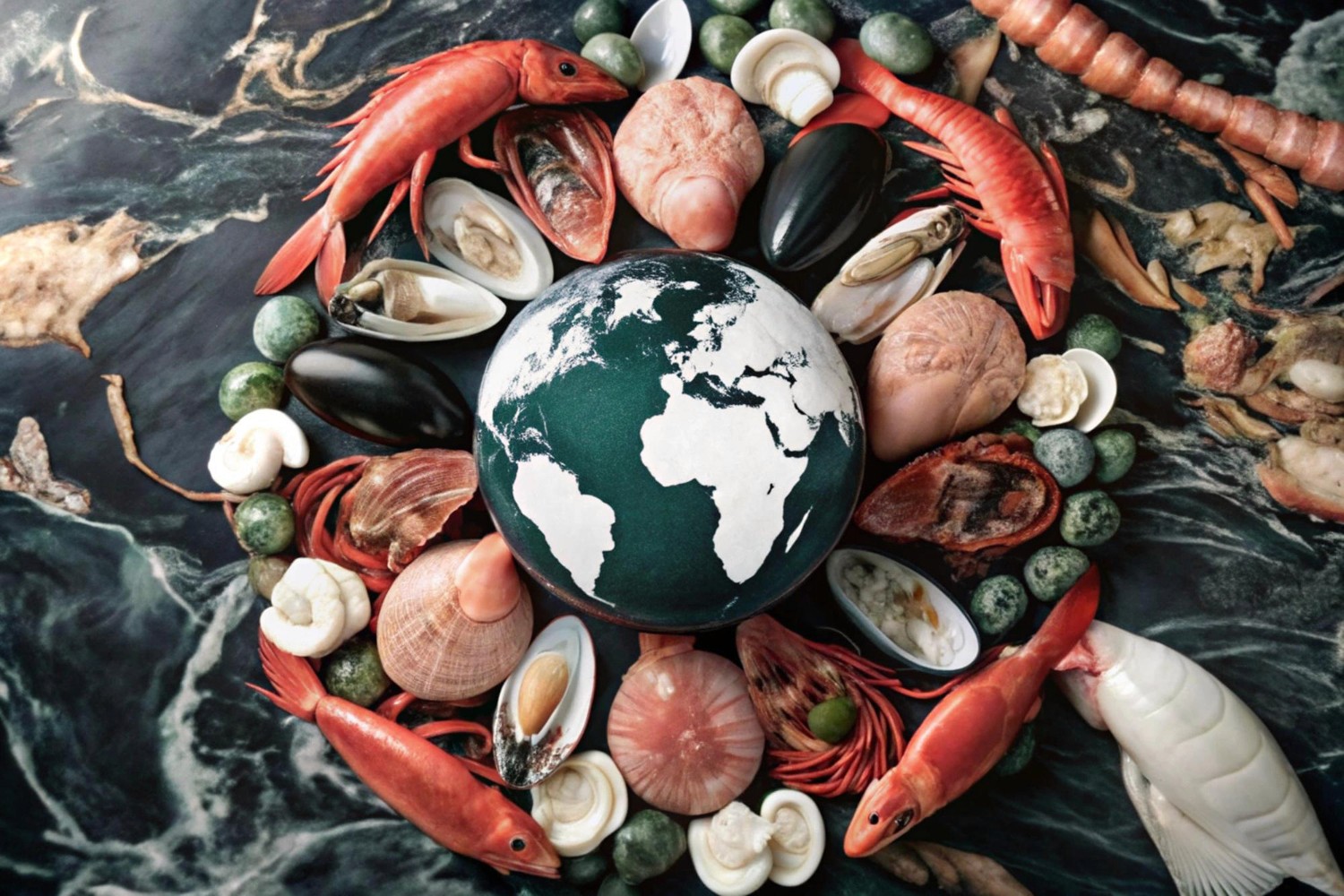
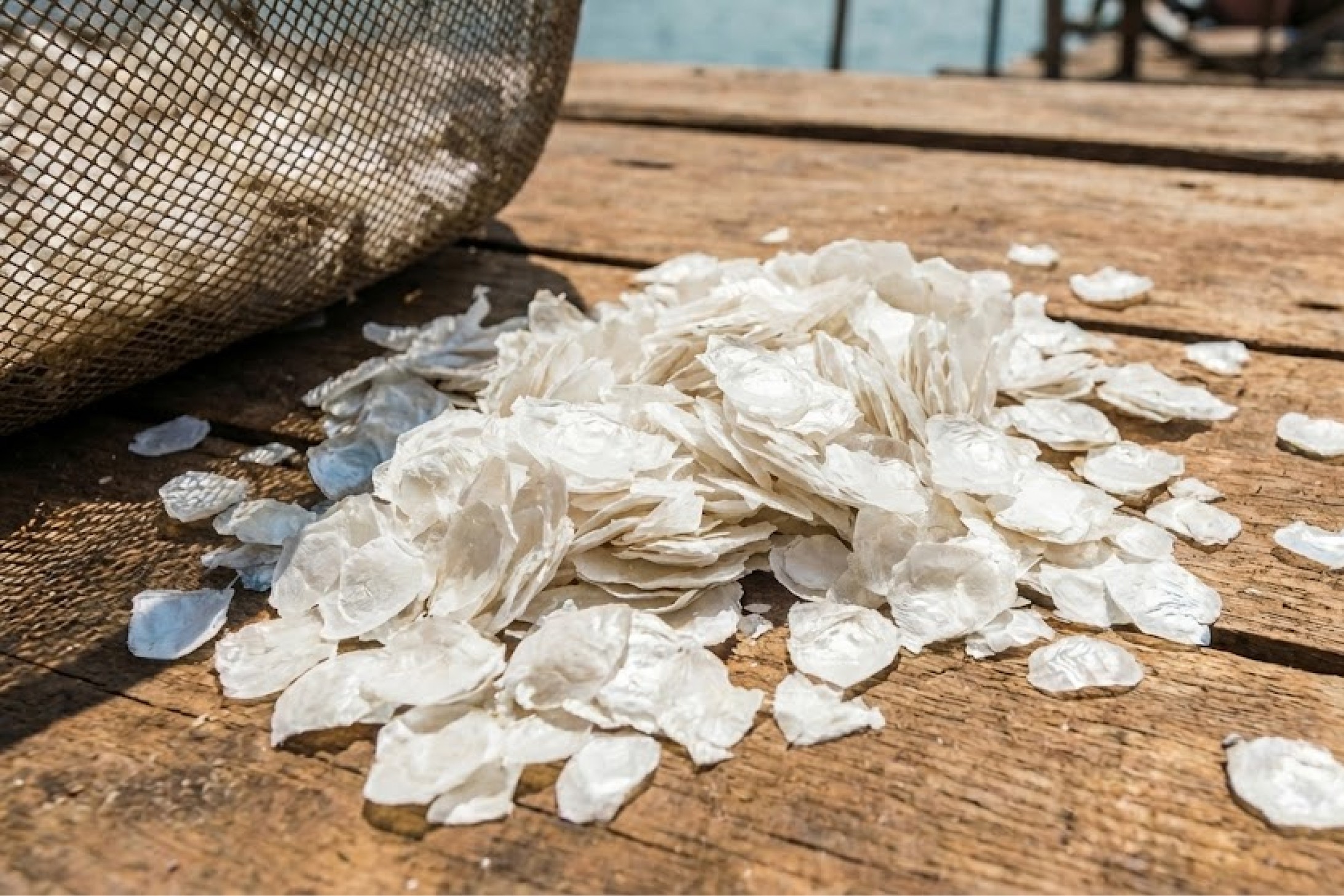
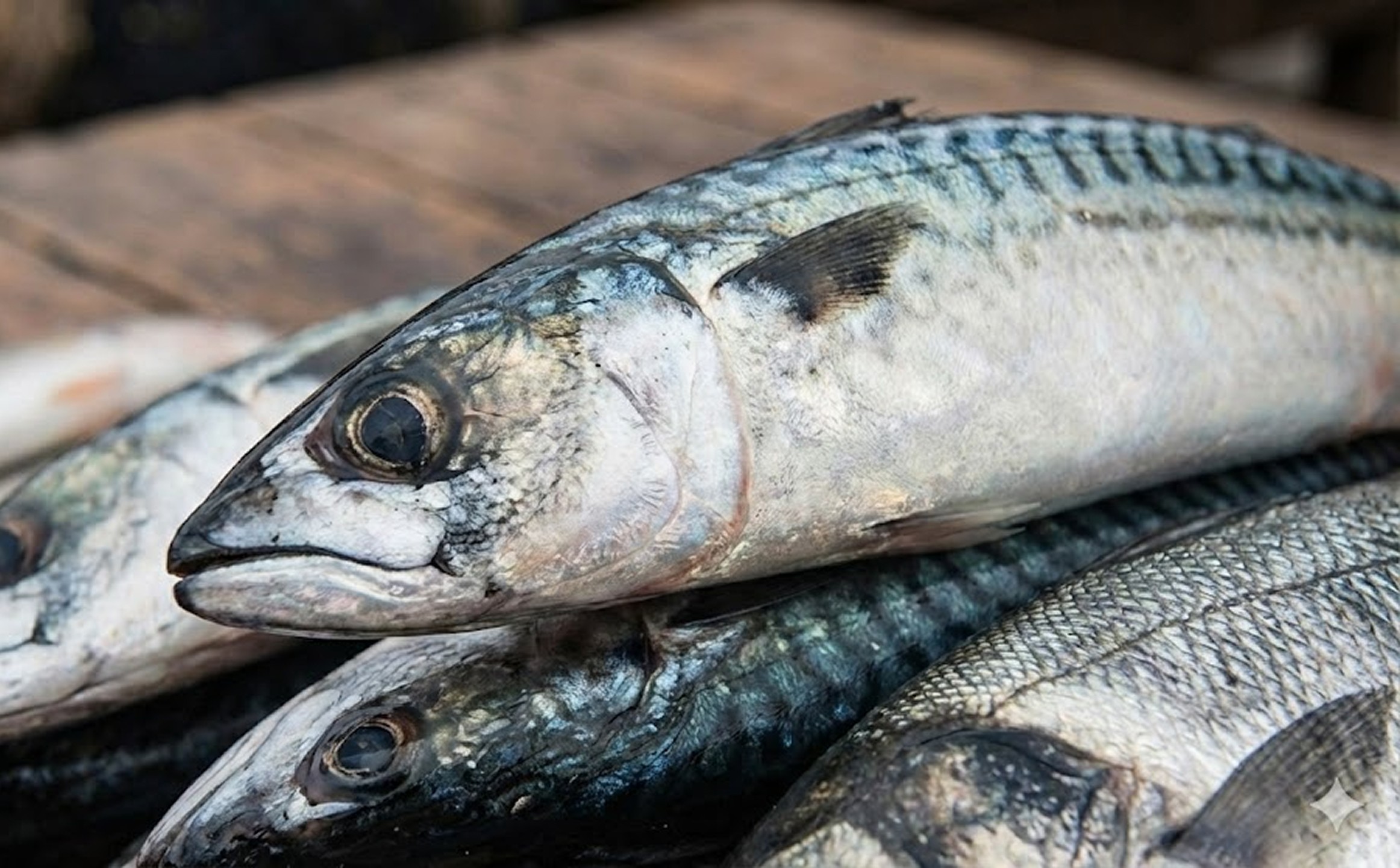
Over the last 50–60 years, aquaculture has scaled rapidly to feed the world. Today, global aquatic production exceeds 200 million tonnes annually. But what many people do not realise is that 30 to 50 percent of this becomes by-products — scales, skin, bones, and shells.
For decades, these were discarded or used in low-value applications.
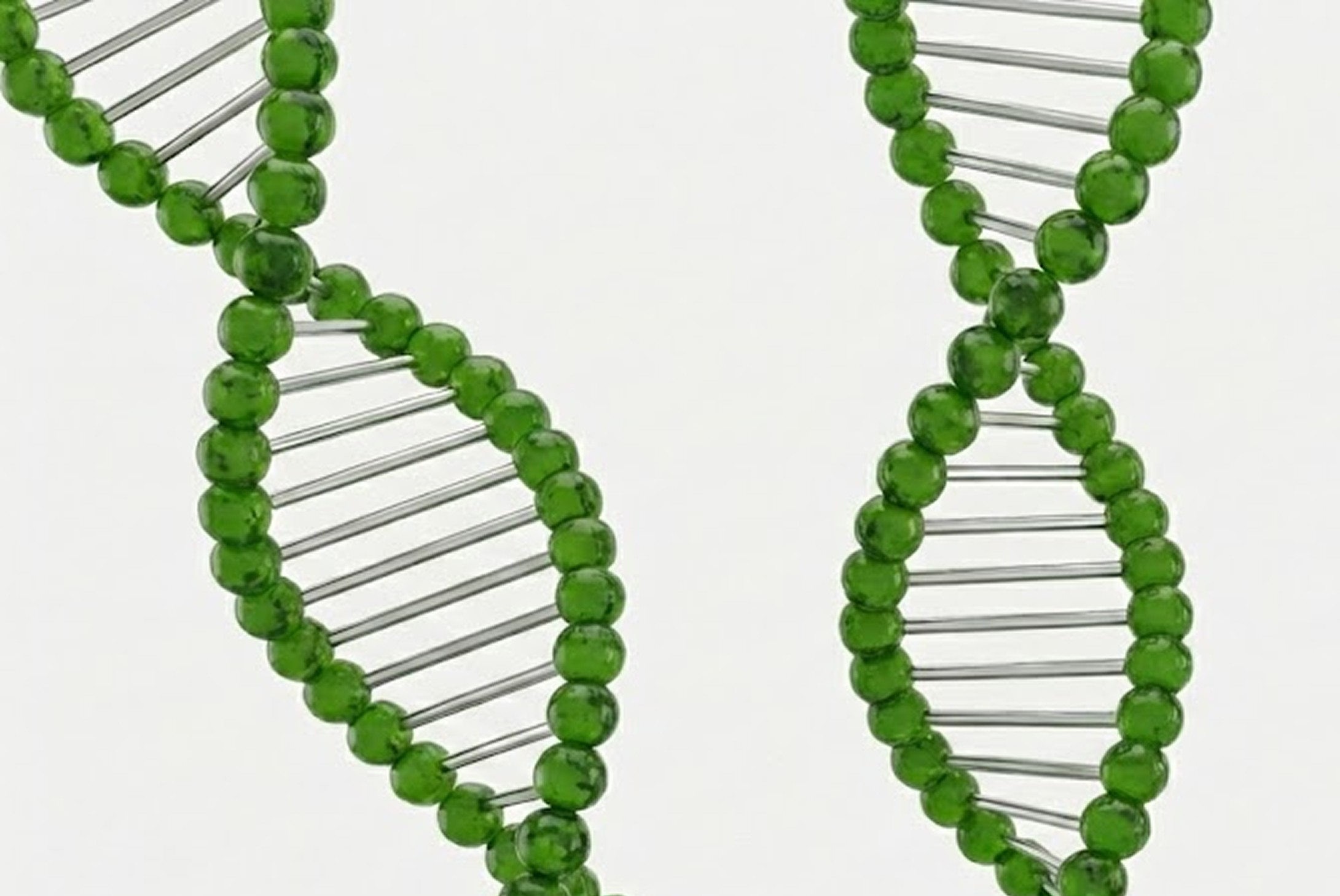
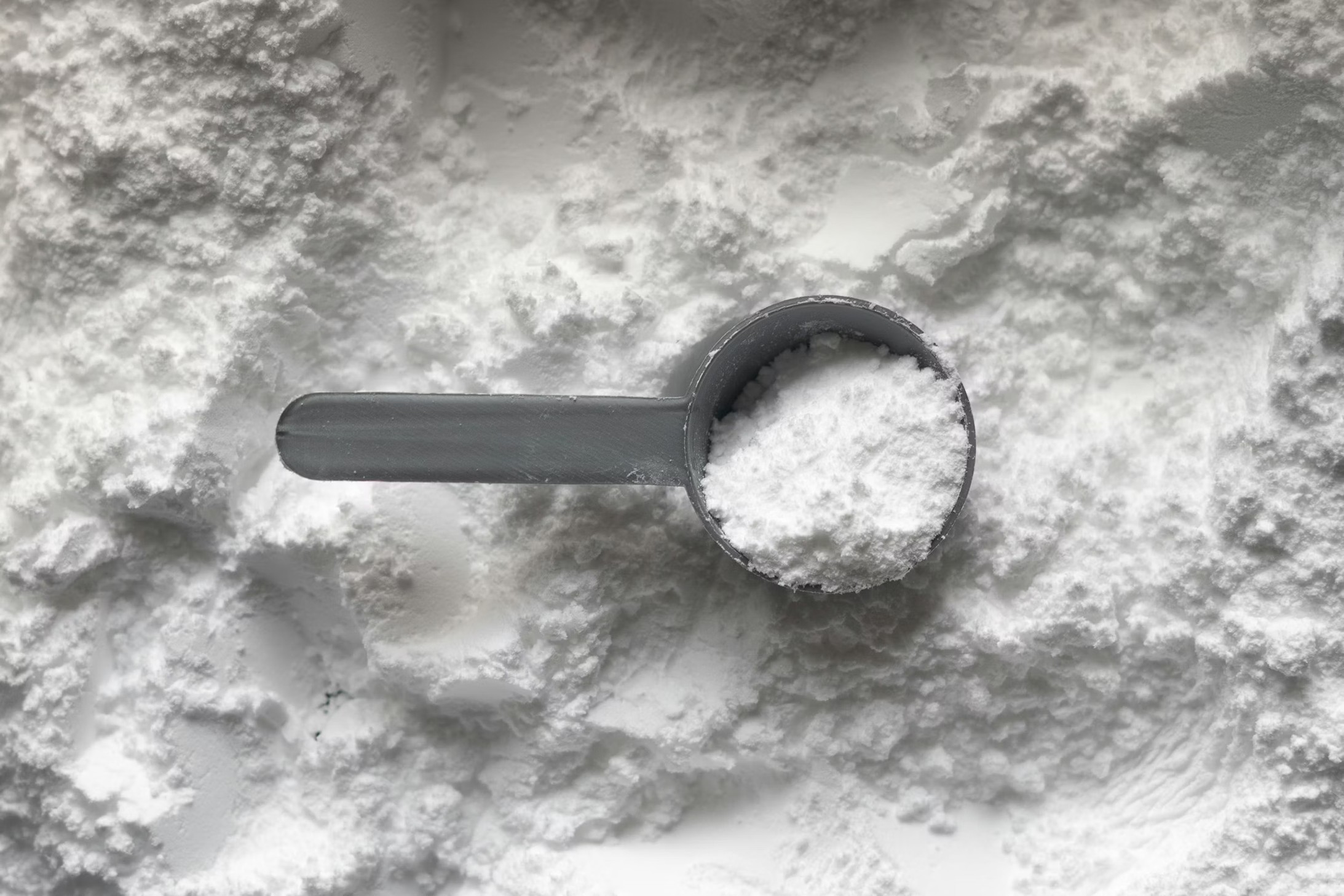
Yet these materials contain collagen and chitosan — natural biomaterials with remarkable properties.
The real question is simple.
Why did we call it waste in the first place?
Because once you see it differently, the story changes completely.
When Sustainability Finally Becomes Practical
Many sustainable innovations fail to scale because they do not fit easily into the real world.
Industries do not want to change existing processes.
Customers do not want to pay more.
Regulations do not require it.
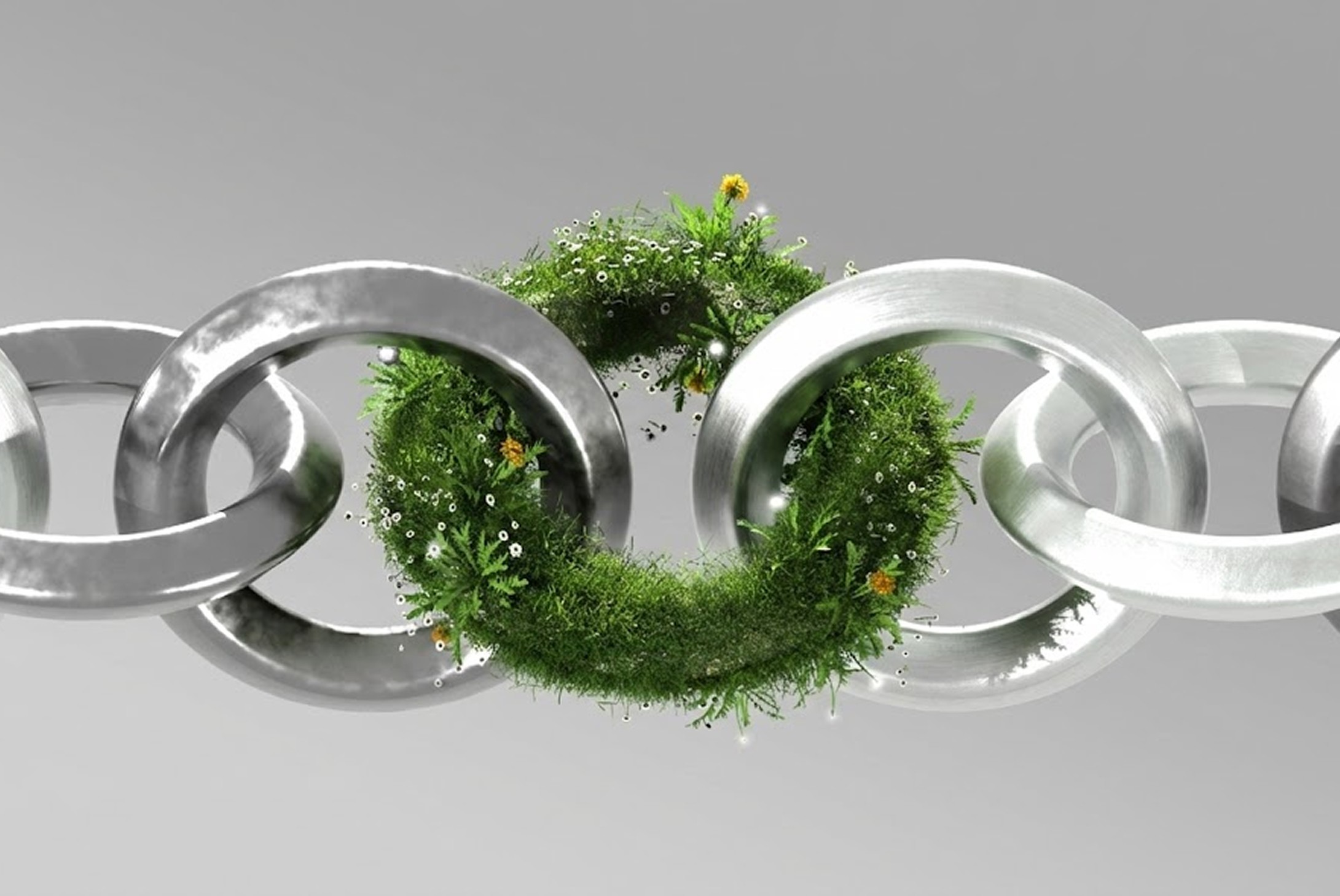
Sustainability becomes practical only when four forces come together:
Science makes it possible.
Customers demand safer, traceable products.
Industries start looking for alternatives.
And regulations begin to require change.
When this happens, sustainability stops being optional.
It becomes necessary.
This is exactly where biomaterials like collagen and chitosan now stand.
What Collagen and Chitosan Actually Are
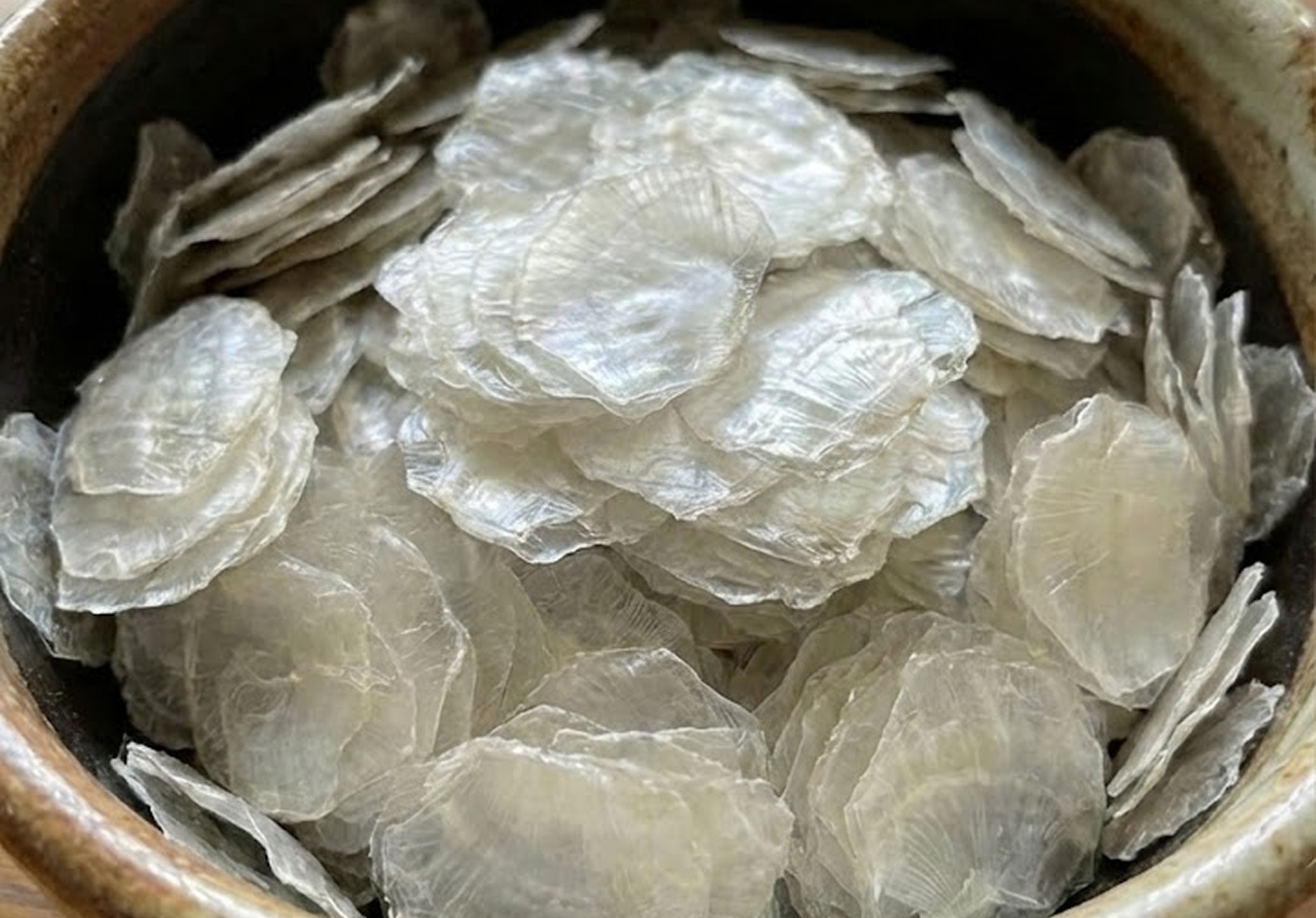
Collagen comes mainly from fish skin and scales.
Chitosan comes from shrimp and crab shells.
Both are natural polymers. They are biodegradable, non-toxic, and already produced at scale by nature itself.
Today, they are finding applications in areas directly connected to climate and environmental protection.
Cleaner Water
Water is becoming one of the most regulated industrial resources in the world.
Chitosan has the ability to bind with suspended particles and certain contaminants, helping industries improve water quality before discharge.
Because it is biodegradable, it offers a safer alternative to some traditional synthetic treatment chemicals.
This is particularly relevant as industries face tighter compliance requirements.
Safer Industrial Materials
Many industrial materials in use today were developed in a different era — when environmental persistence was not fully understood.
Now, industries are looking for safer alternatives.
Collagen and chitosan are being explored in coatings, binders, and specialty material systems where biodegradability and safety matter.
This reduces dependence on petrochemical inputs and lowers environmental risk.
Supporting Sustainable Agriculture
Chitosan is also used in agriculture to support plant health and soil quality.
Healthier soil means better crop resilience and more sustainable food production.
This reduces dependence on synthetic inputs and supports long-term soil health — which is essential for climate stability.
Circular Economy in Its Most Natural Form
Circular economy is often presented as a modern concept.
But nature has always worked this way.
Nothing is wasted.
By converting fish scales into collagen and shrimp shells into chitosan, we are simply restoring that natural cycle.
Whatever we produce, we must fully use.
Because every time we waste an existing material, we need to manufacture something new — often using energy, chemicals, and resources.
Using marine by-products fully reduces that burden.
Climate Solutions That Also Support People
This transition is not only about materials.
It is also about people.
In many coastal regions, women play a major role in sorting and preparing fish by-products.
For years, this work has been undervalued.
But when these by-products become part of a formal biomaterial supply chain, their work becomes economically visible.
Income increases.
Opportunities increase.
Climate solutions, when done properly, should strengthen communities — not bypass them.
Why This Moment Is Different
The science behind collagen and chitosan is not new.
What is new is the timing.
Industries are facing tighter regulations.
Customers are demanding safer materials.
Technology has improved enough to scale bio-industrial processing.
And global climate priorities are shifting toward resource efficiency.
The conditions are finally aligned.
The Bigger Shift Is in How We See Value
At its core, this is not just a materials story.
It is a mindset shift.
Do we see marine by-products as waste?
Or do we see them as climate resources?
Because nature has already created these materials.
We simply need to use them responsibly.
Nature is not just something we take from.
It is something we work with.
The Opportunity Is Already Here
Marine biomaterials alone will not solve climate change.
But they are part of a larger transition — toward safer materials, circular systems, and more responsible industry.
Blue food systems can feed people.
They can support livelihoods.
And they can help supply climate-aligned industries.
Sometimes, the most powerful climate solutions are not new inventions.
They are things we have been overlooking all along.
The ocean has already done the hard work.
We just need to stop throwing the solutions away.

When people talk about climate solutions, they usually talk about solar panels, electric vehicles, or hydrogen. Rarely does anyone talk about fish scales or shrimp shells.
But perhaps we should.
Because hidden inside what we have long called “waste” are materials that can help solve some of the unintended consequences of industrialisation.
Not because they are new. But because we are finally ready to use them properly.
The Waste We Never Really Looked At
Over the last 50–60 years, aquaculture has scaled rapidly to feed the world. Today, global aquatic production exceeds 200 million tonnes annually. But what many people do not realise is that 30 to 50 percent of this becomes by-products — scales, skin, bones, and shells.
For decades, these were discarded or used in low-value applications.
Yet these materials contain collagen and chitosan — natural biomaterials with remarkable properties.
The real question is simple.
Why did we call it waste in the first place?
Because once you see it differently, the story changes completely.
When Sustainability Finally Becomes Practical
Many sustainable innovations fail to scale because they do not fit easily into the real world.
Industries do not want to change existing processes.
Customers do not want to pay more.
Regulations do not require it.
Sustainability becomes practical only when four forces come together:
Science makes it possible.
Customers demand safer, traceable products.
Industries start looking for alternatives.
And regulations begin to require change.
When this happens, sustainability stops being optional.
It becomes necessary.
This is exactly where biomaterials like collagen and chitosan now stand.
What Collagen and Chitosan Actually Are
Collagen comes mainly from fish skin and scales.
Chitosan comes from shrimp and crab shells.
Both are natural polymers. They are biodegradable, non-toxic, and already produced at scale by nature itself.
Today, they are finding applications in areas directly connected to climate and environmental protection.
Cleaner Water
Water is becoming one of the most regulated industrial resources in the world.
Chitosan has the ability to bind with suspended particles and certain contaminants, helping industries improve water quality before discharge.
Because it is biodegradable, it offers a safer alternative to some traditional synthetic treatment chemicals.
This is particularly relevant as industries face tighter compliance requirements.
Safer Industrial Materials
Many industrial materials in use today were developed in a different era — when environmental persistence was not fully understood.
Now, industries are looking for safer alternatives.
Collagen and chitosan are being explored in coatings, binders, and specialty material systems where biodegradability and safety matter.
This reduces dependence on petrochemical inputs and lowers environmental risk.
Supporting Sustainable Agriculture
Chitosan is also used in agriculture to support plant health and soil quality.
Healthier soil means better crop resilience and more sustainable food production.
This reduces dependence on synthetic inputs and supports long-term soil health — which is essential for climate stability.
Circular Economy in Its Most Natural Form
Circular economy is often presented as a modern concept.
But nature has always worked this way.
Nothing is wasted.
By converting fish scales into collagen and shrimp shells into chitosan, we are simply restoring that natural cycle.
Whatever we produce, we must fully use.
Because every time we waste an existing material, we need to manufacture something new — often using energy, chemicals, and resources.
Using marine by-products fully reduces that burden.
Climate Solutions That Also Support People
This transition is not only about materials.
It is also about people.
In many coastal regions, women play a major role in sorting and preparing fish by-products.
For years, this work has been undervalued.
But when these by-products become part of a formal biomaterial supply chain, their work becomes economically visible.
Income increases.
Opportunities increase.
Climate solutions, when done properly, should strengthen communities — not bypass them.
Why This Moment Is Different
The science behind collagen and chitosan is not new.
What is new is the timing.
Industries are facing tighter regulations.
Customers are demanding safer materials.
Technology has improved enough to scale bio-industrial processing.
And global climate priorities are shifting toward resource efficiency.
The conditions are finally aligned.
The Bigger Shift Is in How We See Value
At its core, this is not just a materials story.
It is a mindset shift.
Do we see marine by-products as waste?
Or do we see them as climate resources?
Because nature has already created these materials.
We simply need to use them responsibly.
Nature is not just something we take from.
It is something we work with.
The Opportunity Is Already Here
Marine biomaterials alone will not solve climate change.
But they are part of a larger transition — toward safer materials, circular systems, and more responsible industry.
Blue food systems can feed people.
They can support livelihoods.
And they can help supply climate-aligned industries.
Sometimes, the most powerful climate solutions are not new inventions.
They are things we have been overlooking all along.
The ocean has already done the hard work.
We just need to stop throwing the solutions away.
Related Blogs
Whatever we produce,
We must fully use
Contact Us
Phone No:
022 4924 0706
+91 9730007882
Location:
923, IJMIMA complex, MDP Road, Malad West, Mumbai – 400064, Maharashtra, India.
71/17, Topsia Road, (South) Near Millat Nagar Masjid, Kolkata: 700046, West Bengal, India.
© 2026 Nizona Marine Products Private Limited. All Rights Reserved.
Whatever we produce,
We must fully use
Contact Us
Phone No:
022 4924 0706
+91 9730007882
Location:
923, IJMIMA complex, MDP Road, Malad West, Mumbai – 400064, Maharashtra, India.
71/17, Topsia Road, (South) Near Millat Nagar Masjid, Kolkata: 700046, West Bengal, India.
© 2026 Nizona Marine Products Private Limited. All Rights Reserved.
Whatever we produce,
We must fully use
Contact Us
Phone No:
022 4924 0706
+91 9730007882
Location:
923, IJMIMA complex, MDP Road, Malad West, Mumbai – 400064, Maharashtra, India.
71/17, Topsia Road, (South) Near Millat Nagar Masjid, Kolkata: 700046, West Bengal, India.
© 2026 Nizona Marine Products Private Limited. All Rights Reserved.